


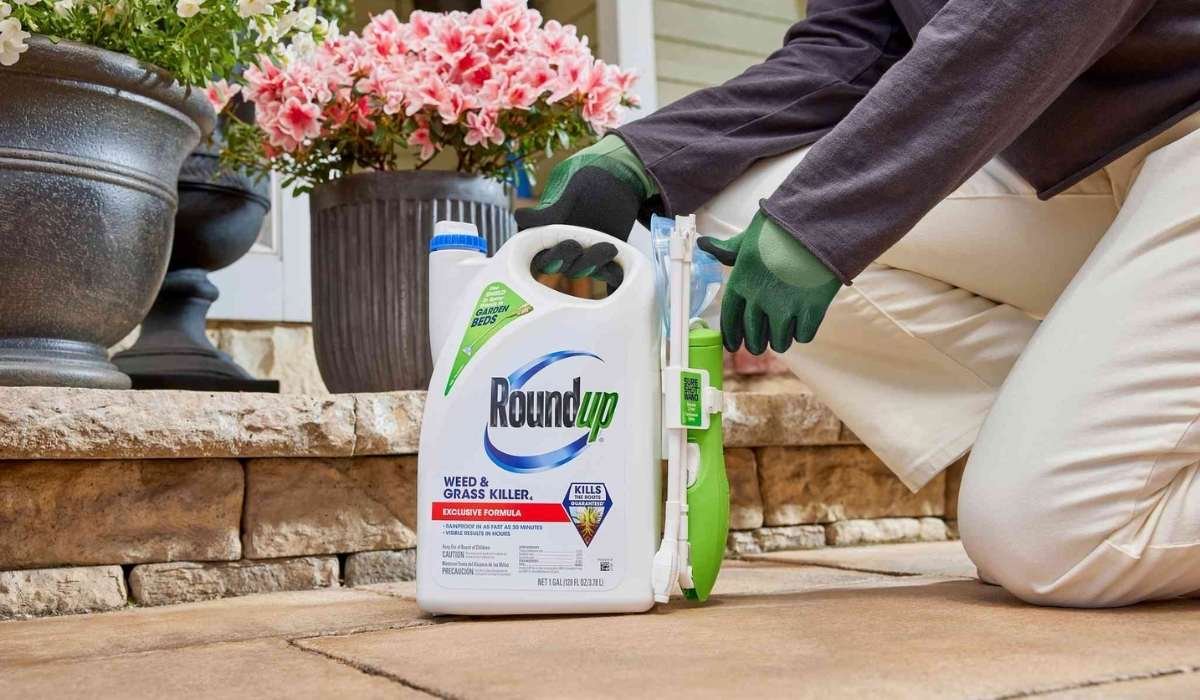
Managing unwanted vegetation is a challenge every gardener faces, and Roundup Weed Killer has long been a go-to solution for many. Originally developed for large-scale agricultural use, its formulation has evolved to include various consumer-friendly options for residential lawns and landscapes. Understanding how this product works, its role in your garden, and the necessary safety precautions is vital for effective and responsible usage. This article explores the nuances of using Roundup Weed Killer, providing a balanced look at its application methods, the environmental factors involved, and the alternative strategies available for those seeking natural approaches to weed management.
| Feature | Details |
| Product Type | Non-selective systemic herbicide |
| Primary Ingredient | Glyphosate (in most formulations) |
| Primary Use | Post-emergence weed control |
| Key Benefit | Effectively kills weeds down to the root |
Understanding the Mechanism of Roundup Weed Killer
Roundup Weed Killer operates as a non-selective, systemic herbicide. This means it doesn’t distinguish between the weeds you want to remove and the desirable plants you want to keep. When applied to the leaves, the active ingredient—typically glyphosate—is absorbed by the plant and moves through its system, eventually reaching the roots to inhibit growth. Because it works systemically, it is highly effective at eliminating perennial weeds that might otherwise regrow from their root systems. However, its non-selective nature requires precision during application to avoid accidental damage to your cherished flowers, shrubs, or lawn grasses.
Choosing the Right Roundup Formulation
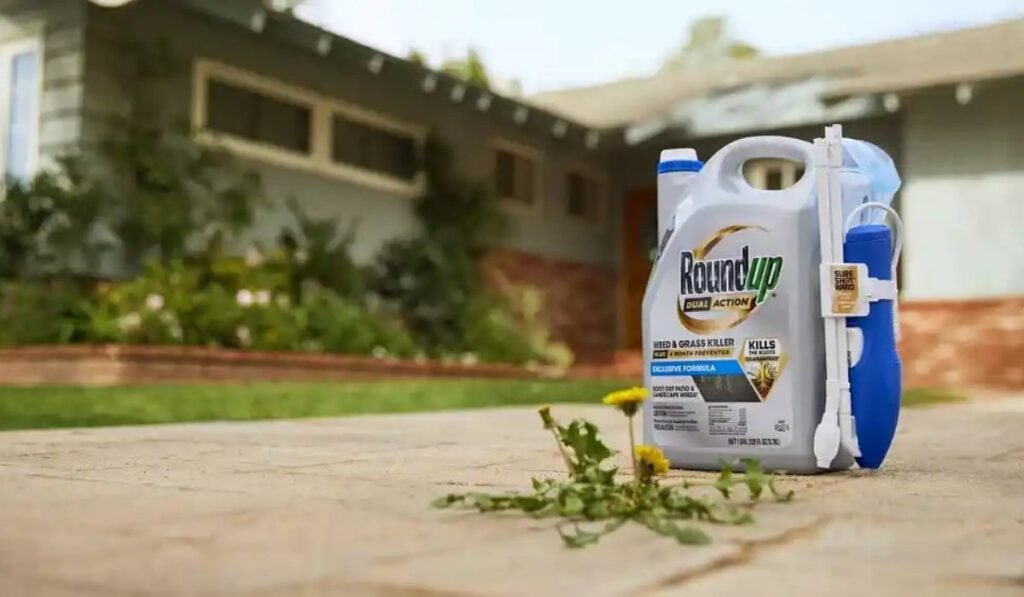
Not all Roundup Weed Killer products are identical. The brand offers a wide range of formulations tailored for specific tasks, from ready-to-use sprayers for small jobs to concentrates for larger areas. Some products are designed specifically for lawns, while others are intended for patios or driveways. Always check the label to identify the active ingredients, as some specialty blends may use different herbicides entirely. By selecting the correct product for your specific weed problem, you can achieve better results while minimizing the amount of chemical applied to your garden environment, ensuring a more targeted and efficient approach to maintenance.
Precision Application Techniques
To use Roundup Weed Killer effectively, precision is your best tool. The most common mistake gardeners make is applying the product too broadly, leading to accidental spray drift onto nearby plants. To avoid this, consider using a product with a specialized wand or shield, which helps contain the spray directly onto the targeted weed. If you are working in tight spaces like flowerbeds, applying the solution via a gel or a small, hand-held brush can offer even greater control. Remember that the goal is to thoroughly wet the weed’s foliage without letting the chemical contact anything else.
The Importance of Weather Conditions
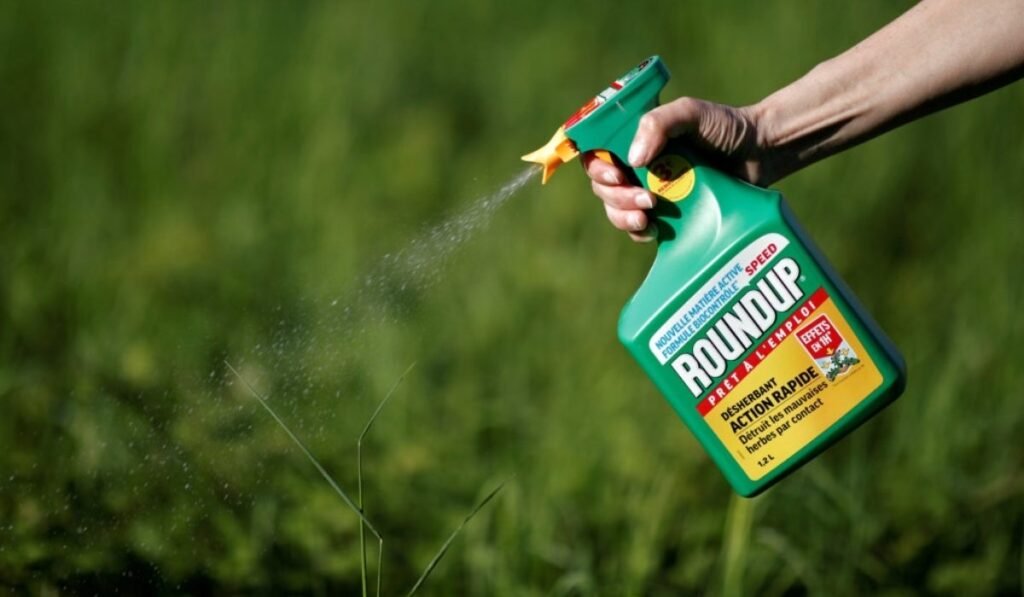
The effectiveness of Roundup Weed Killer is significantly influenced by the weather during and after application. For the best results, apply the product during warm, sunny days when temperatures are above 60 degrees Fahrenheit. The plant needs to be actively growing for the systemic action to work most efficiently. While many modern formulas are “rainproof” within a short period, it is still wise to avoid spraying if heavy rain is expected immediately. Calm, windless days are also crucial, as even a light breeze can cause the spray to drift onto sensitive garden plants, causing unintended damage.
Safety Precautions for Home Use
Safety is paramount when handling any herbicide. When using Roundup Weed Killer, always wear protective clothing, such as long-sleeved shirts, long pants, and gloves, to prevent skin contact. If you accidentally get the product on your skin or eyes, rinse immediately and thoroughly with water. Avoid breathing in any spray particles by ensuring you are standing upwind during application. Never eat, drink, or smoke while working with these products, and always ensure that children and pets are kept away from the treated area until the spray has completely dried, which is a standard safety recommendation.
Storing Your Herbicide Safely
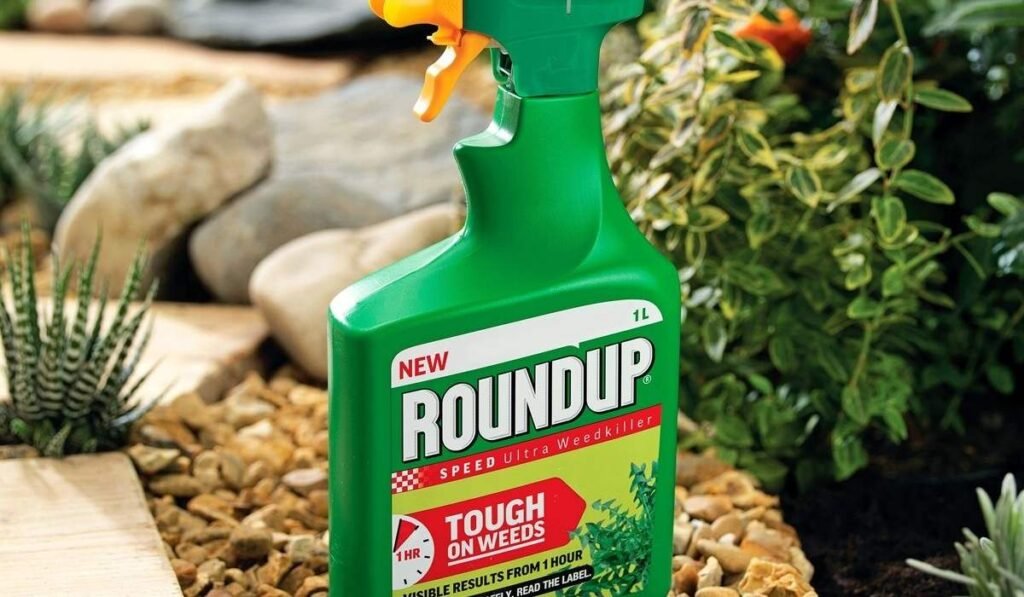
Proper storage is just as important as safe application. Always keep Roundup Weed Killer in its original container, with the label clearly visible, so you and others always know exactly what is inside. Store the container in a secure place, away from the reach of children and pets, and ensure it is kept in a cool, dry area that is shielded from direct sunlight. It is also important to prevent the product from freezing, as extreme temperatures can compromise its efficacy. If you live in a cold climate, ensure your storage shed or garage remains above freezing throughout the winter months.
The Role of Glyphosate in Gardening
Glyphosate remains the most widely used herbicide globally because of its unique ability to Roundup Weed Killer kill weeds at the root. However, its widespread use has led to significant debate regarding its long-term impact. While the U.S. EPA currently classifies glyphosate as safe for use when applied according to label directions, other organizations like the International Agency for Research on Cancer have raised concerns. For the home gardener, the key is moderation and strict adherence to label instructions. By using the product only when necessary and following all safety guidelines, you can minimize your personal exposure and potential environmental footprint.
Environmental Impact and Soil Health
Glyphosate binds tightly to soil, which generally limits its ability to leach into groundwater.Roundup Weed Killer However, this also means it can persist in the soil for several months depending on climate and soil pH. When it breaks down, it can affect soil microorganisms, which play a crucial role in maintaining a healthy garden ecosystem. Some research suggests that intensive use may disrupt the balance of these beneficial bacteria. Being mindful of where and how often you apply Roundup Weed Killer is essential to preserving the long-term health of your garden soil and the broader environment surrounding your home.
Alternatives to Chemical Herbicides
If you are uncomfortable with the risks associated with Roundup Weed Killer, many natural alternatives can be highly effective. Roundup Weed Killer Boiling water is excellent for killing weeds in driveway cracks, while a simple mixture of white vinegar, salt, and dish soap can act as a natural, contact-based herbicide. Mulching is another powerful tool; by covering your soil with a thick layer of wood chips, cardboard, or straw, you can prevent weed seeds from germinating in the first place. These methods are generally safer for pets, children, and the overall biodiversity of your home garden ecosystem.
Integrated Weed Management Strategies
The most effective weed control is not a single product but a strategy. Integrated Weed Management involves using a combination of techniques to keep weeds at bay. This includes encouraging dense plant growth to crowd out weeds, manual hand-weeding to remove persistent taproots, and using barrier methods like landscape fabric. By creating an environment where your desired plants can thrive, you naturally limit the space available for weeds to take hold. Roundup Weed Killer can then be used sparingly as a “last resort” tool for particularly stubborn patches, rather than as a primary, routine maintenance solution.
The Importance of Label Instructions
Reading the label of your Roundup Weed Killer is the most important step in the entire process. The label contains specific information regarding application rates, prohibited areas, and safety warnings that are unique to that specific formulation. Many gardeners assume they know how to use it, but missing a detail—such as the required distance from water sources or the recommended dilution ratio for concentrates—can lead to poor results or accidental environmental harm. Treat the label as your primary instruction manual for each and every application to ensure both safety and maximum effectiveness in your garden.
Timing Your Weed Control Efforts
Timing is critical when dealing with weeds. Applying Roundup Weed Killer when weeds are small and actively growing is much more effective than trying to treat large, mature, or dormant weeds. If weeds have already set seed, you are merely managing the next generation of problems. Aim to treat weeds in the spring as they first emerge, or in early autumn when plants are translocating nutrients down to their roots for the winter. This “pre-emptive” strike allows the systemic action of the herbicide to be most effective, resulting in better kill rates and less need for repeat applications.
Protecting Your Desirable Plants
Accidental contact is a major concern when using non-selective herbicides. If you are spraying near flowerbeds or delicate ornamental grasses, consider using a physical barrier like a piece of cardboard or a plastic bucket to shield your desirable plants while you spray the target weeds. If you do accidentally spray a plant you wanted to keep, rinse it off immediately with large amounts of water. While this may not guarantee the plant’s survival, it is the best chance you have to dilute the herbicide before it is fully absorbed into the plant’s tissues.
Understanding Weeds and Their Lifecycle
Different weeds require different approaches. Annual weeds, which complete their life cycle in one year, can often be managed through simple mulching or hoeing. Perennial weeds, however, have deep root systems that allow them to come back year after year; these are the types of weeds where a systemic herbicide like Roundup Weed Killer is most useful. By identifying your weeds, you can determine if a chemical approach is even necessary. Knowing the difference between a dandelion and a common grass weed helps you tailor your maintenance plan, potentially saving you time, money, and unnecessary chemical exposure.
Managing Large-Scale Weed Issues
If you have a large area to clear, such as a neglected lot or an overgrown perimeter, Roundup Weed Killer concentrates can provide a cost-effective solution. When mixing concentrates, always follow the ratio specified on the label precisely. Use a dedicated sprayer that is clearly marked to prevent cross-contamination with other garden chemicals. After large applications, it is good practice to monitor the area for several weeks. Some deep-rooted weeds may require a second, spot-treatment application once new growth begins to appear, as a single pass might not fully kill the entire root system.
The Debate Over Glyphosate Safety
It is important to acknowledge the ongoing scientific and public debate regarding glyphosate. While regulatory bodies and manufacturers maintain the product’s safety when used correctly, numerous lawsuits and independent studies have highlighted potential risks, especially regarding occupational exposure. As a consumer, it is wise to stay informed and make decisions based on your comfort level. Whether you choose to use Roundup Weed Killer or switch to organic methods, the decision should be based on your understanding of the risks and your commitment to maintaining a healthy and safe environment for your family and your local garden habitat.
Reducing Your Chemical Footprint
If you choose to use Roundup Weed Killer, aim to reduce your overall footprint. Instead of treating your entire lawn, use it as a “spot treatment” tool. By focusing only on the specific weeds that are problematic, you keep the majority of your lawn and garden free from chemical inputs. This approach saves money, protects the soil biology, and creates a more resilient landscape. Remember that the goal is a healthy garden, and chemicals should be seen as a temporary assistance, not a substitute for proper soil management, plant selection, and regular care practices.
Gardening for Biodiversity
A healthy garden is a haven for pollinators, beneficial insects, and wildlife. When we use herbicides heavily, we can accidentally reduce the food sources (like dandelions or clover) that bees and other pollinators rely on. If possible, leave small patches of “weedy” areas in less visible corners of your yard to support local biodiversity. By balancing your need for a tidy landscape with the needs of nature, you create a garden that is not only beautiful but also environmentally responsible. Always consider the wider impact of your maintenance choices on the local ecosystem.
Communicating with Your Neighbors
If you are applying herbicides in an area that borders a neighbor’s property, it is often a good idea to let them know. Spray drift is a common cause of neighborhood tension. By being transparent about your maintenance plans, you can ensure that their plants are protected and that they are comfortable with your garden management techniques. Good communication goes a long way in maintaining community harmony. If they have concerns, you might even consider using safer, non-chemical alternatives near the property line to prevent any potential issues or misunderstandings regarding herbicide drift.
Final Thoughts on Responsible Use
Using Roundup Weed Killer is a personal choice that requires a commitment to responsibility. It is a powerful tool that, when used properly, can make the work of gardening much easier. However, it demands respect for its power, an understanding of its risks, and a commitment to precision. By combining chemical tools with natural alternatives, smart gardening practices, and a focus on long-term soil health, you can maintain a beautiful and functional landscape. Ultimately, the best garden is one that you enjoy safely and sustainably, reflecting your own values and your care for the world around you.
- What are the common uses for Roundup Weed Killer?
- Roundup is primarily used as a non-selective, systemic herbicide to kill perennial and annual weeds in residential and agricultural settings.
- How does Roundup kill weeds?
- It contains glyphosate, which is absorbed by the leaves and travels to the roots, eventually inhibiting the plant’s growth and killing it.
- Are there natural alternatives to Roundup?
- Yes, options include boiling water, a mixture of vinegar and dish soap, manual weeding, and heavy mulching.
- Is Roundup safe for use around my home?
- Regulatory agencies like the EPA classify it as safe when used per label directions, though some studies suggest caution regarding potential long-term health risks.
- How can I protect my other plants when spraying?
- Use a protective shield or cardboard barrier to prevent spray drift, or apply the herbicide precisely using a gel or small brush.