


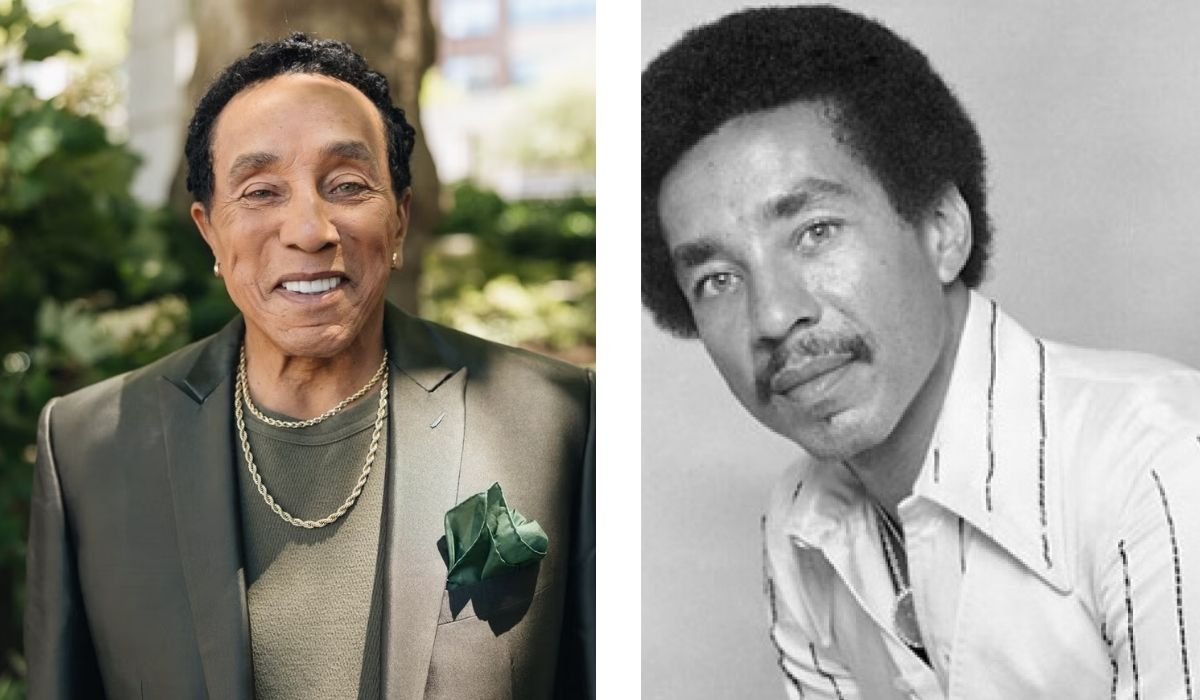
The Early Life and Foundations of a Motown Icon
Born William Robinson Jr. in the heart of Detroit, Michigan, Smokey Robinson displayed a natural affinity for music and lyrical composition during his formative years. Surrounded by the soulful sounds of a vibrant community, he began crafting melodies that would eventually define an entire generation of listeners. His early environment provided the perfect backdrop for his developing artistic sensibilities, fostering a deep appreciation for rhythm and blues that became the cornerstone of his creative expression. As a young man, he possessed an uncanny ability to translate complex human emotions into simple, relatable stories, setting the stage for his legendary career.
Quick Bio
| Category | Details |
|---|---|
| Full Name | William Robinson Jr. |
| Birth Date | February 19, 1940 |
| Occupation | Singer, Songwriter, Producer |
| Notable Group | The Miracles |
| Genre | Soul, R&B, Motown |
Forming the Miracles and Defining the Sound
The creation of the group known as The Miracles marked a pivotal moment in the history of soul music, as their harmonious blend captivated audiences everywhere. Together, they refined a signature sound that seamlessly merged smooth vocal textures with innovative arrangements, distinguishing themselves within the competitive landscape of Detroit music. Their collaboration was built on a foundation of mutual passion and a shared vision to push the boundaries of rhythm and blues. This artistic chemistry allowed them to explore new sonic territories, transforming simple melodies into enduring anthems that resonated deeply with fans across the country and around the globe.
The Motown Partnership That Changed Everything
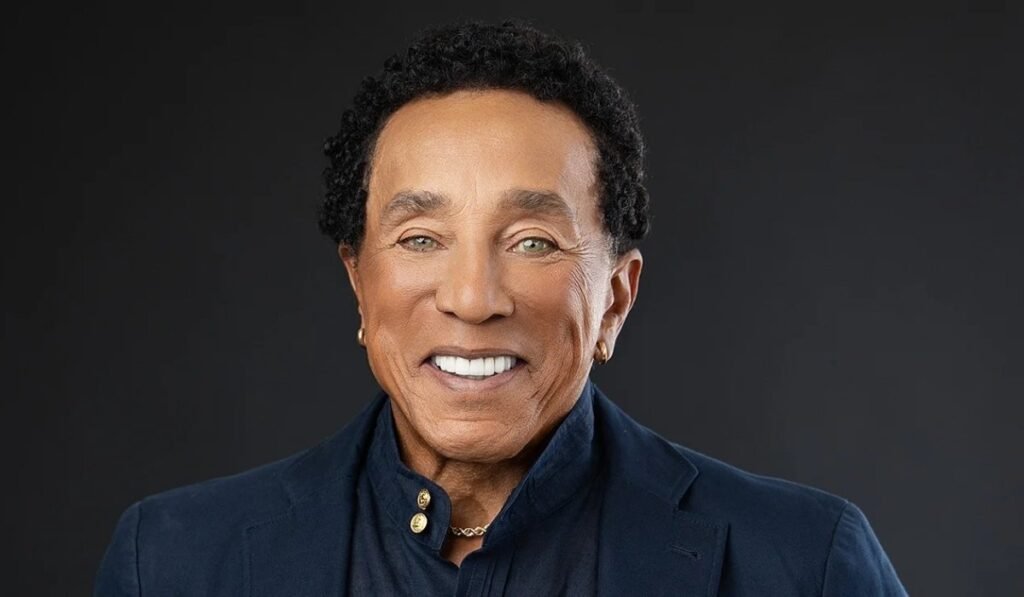
Smokey Robinson formed a legendary partnership with Berry Gordy, an alliance that would ultimately build the foundations of the Motown empire. Their combined efforts transformed the landscape of American music, turning a small independent label into a global powerhouse that redefined pop culture. As a key songwriter and producer, his contributions were instrumental in establishing the sophisticated, polished aesthetic that became the hallmark of the Motown sound. This collaborative success story remains one of the most significant chapters in music history, showcasing how vision, talent, and dedication can create lasting artistic impact and influence generations of future performers.
Crafting Hits for the Motown Roster
Beyond his work with The Miracles, he became a master architect of hits for many iconic artists within the Motown family. His lyrical genius allowed him to pen unforgettable tracks for legendary performers, tailoring each song to suit their unique vocal styles perfectly. This versatility showcased his deep understanding of musical structures and his innate ability to connect with diverse audiences through powerful storytelling. By consistently delivering chart-topping material, he played a crucial role in maintaining the label’s dominance, proving that his creative reach extended far beyond his own performances to touch the hearts of millions of listeners.
The Art of Songwriting and Lyrical Mastery
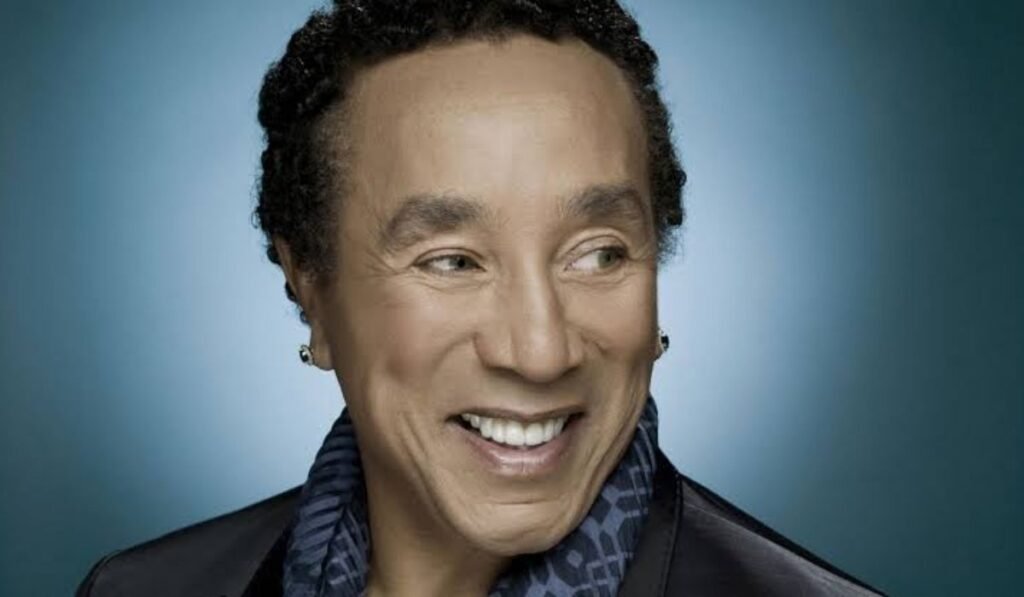
At the core of his success lies a profound mastery of the art of songwriting, characterized by poetic depth and emotional resonance. He possesses a rare gift for articulating the complexities of love and longing in ways that feel both universal and deeply personal. His compositions often feature clever wordplay and evocative imagery, elevating popular music to a form of literary expression. This dedication to craft ensured that every track he wrote carried an emotional weight, making his songs timeless treasures that continue to inspire songwriters and delight listeners across the world in various musical genres today.
Navigating the Evolution of Soul Music
Throughout his long career, he has adeptly navigated the changing tides of the music industry, consistently evolving while staying true to his roots. As musical tastes shifted from the classic Motown sound to more contemporary arrangements, he embraced new production techniques and styles without losing his signature soul. This adaptability allowed him to maintain relevance across several decades, proving that his artistic vision was capable of bridging the gap between generations. By remaining open to innovation and change, he ensured his music continued to reflect the shifting cultural landscapes, cementing his status as a truly dynamic and enduring artist.
Impact on the Rhythm and Blues Genre
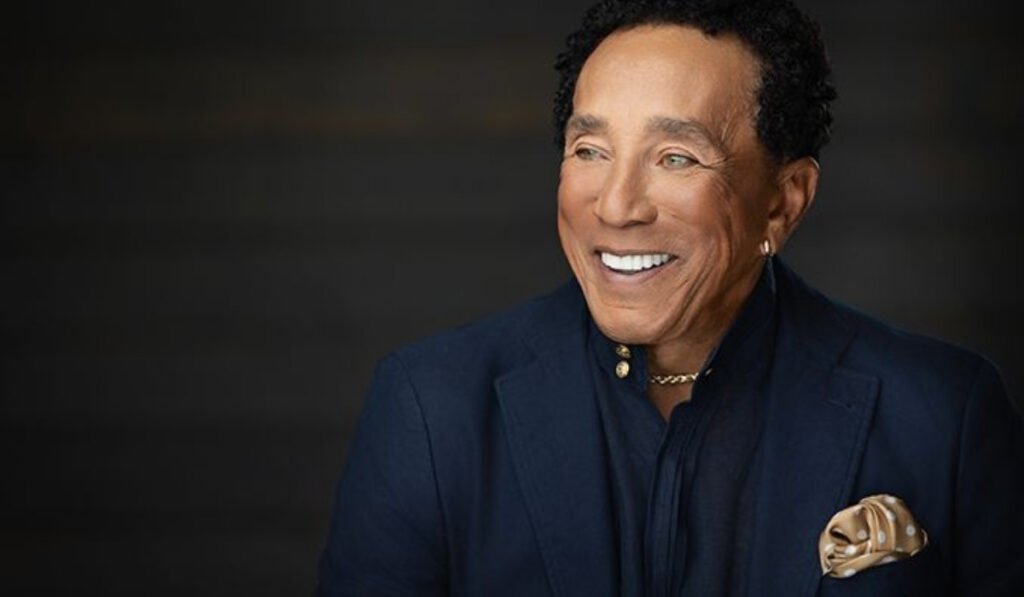
His influence on the rhythm and blues genre is immeasurable, as he helped set the standards for vocal performance and songwriting excellence. Countless artists have cited him as a primary inspiration, drawing from his smooth vocal delivery and his sophisticated approach to melody. He demonstrated that R&B could be both soulful and polished, influencing the development of pop music on a global scale. Through his work, he elevated the status of soul artists, proving that deep emotional expression could be commercially successful and critically acclaimed, leaving an indelible mark on the musical tapestry of the twentieth century.
Transitioning to a Successful Solo Career
After years of leading The Miracles, he successfully transitioned into a highly acclaimed solo career that further showcased his depth as a performer. This new chapter allowed him to experiment with different musical arrangements and explore more mature themes, revealing new facets of his artistry. His solo albums received widespread praise, highlighting his ability to carry a record with his emotive voice and nuanced delivery. By stepping out on his own, he demonstrated the strength of his individual vision, ensuring that his legacy would be defined not just by his past successes, but by his continued artistic growth.
Creative Contributions as a Motown Executive
His role as a vice president at Motown was just as impactful as his musical output, as he helped shape the business side of the legendary label. He provided guidance to emerging talent, sharing his wealth of experience to help nurture the next generation of soulful performers. His insights into the industry were invaluable, as he helped maintain the high standards that made Motown a symbol of excellence. By balancing his creative work with administrative responsibilities, he played a vital role in the long-term success of the company, leaving a lasting legacy in both art and industry.
Signature Vocal Style and Artistic Versatility
Known for his distinctive falsetto and smooth, emotive delivery, he possesses one of the most recognizable voices in the history of popular music. His ability to convey profound tenderness and heartbreak through his singing style has made him a beloved figure for decades. Beyond his vocal talents, his versatility as a writer and producer shows an artist who is deeply connected to every element of the music-making process. This unique combination of technical skill and emotional depth allows him to inhabit his songs, creating intimate experiences for listeners that feel remarkably personal and authentic.
Honoring the Legacy of Classic Soul
He remains a devoted guardian of the classic soul tradition, frequently performing his timeless hits to appreciative audiences around the world. His dedication to preserving the spirit of that era ensures that the music remains accessible to new generations of fans. Through his live performances and public appearances, he keeps the magic of Motown alive, reminding us of the power of well-crafted, honest songwriting. By honoring his own history, he continues to connect with fans on a deep level, proving that great music truly transcends time, place, and the passing of many different cultural trends.
Awards and Recognition for Lifetime Achievement
Throughout his illustrious career, he has received numerous awards and accolades, including induction into the Rock and Roll Hall of Fame. These honors serve as a testament to his immense contribution to music and his status as a true American icon. His work has been recognized not only by his peers but also by prestigious institutions dedicated to the arts. These accolades validate the significance of his life’s work, acknowledging that his influence reaches far beyond simple popularity to touch the foundational aspects of musical history, celebrating a lifetime of dedication and creative excellence.
Cultural Influence Beyond the Music Industry
His impact extends well beyond the recording studio, influencing fashion, cultural discourse, and the way we understand love and relationships. The sentiments expressed in his songs have become part of the collective cultural language, framing how we talk about romance and heartbreak. He helped break down racial barriers in the music industry, using his platform to promote harmony and understanding. This broader cultural influence highlights his status as a leader who navigated complex societal changes with grace and integrity, proving that his artistic endeavors were always deeply rooted in a desire to uplift and unite humanity.
Collaborative Spirit in Modern Music
Even in his later years, he has continued to collaborate with contemporary artists, showcasing his enduring relevance and willingness to engage with new styles. These collaborations often bridge the gap between classic soul and modern production, highlighting the versatility of his songwriting. By mentoring young artists and sharing his expertise, he ensures that the lessons learned during the golden era of Motown are passed down to future creators. His openness to new musical partnerships demonstrates a youthful spirit and a lifelong commitment to the craft of music, showing that there is always more to learn and create.
The Enduring Appeal of His Lyrical Themes
The themes he explores—love, devotion, loss, and redemption—remain universally appealing, speaking to the core of the human experience. His lyrics possess a timeless quality that allows them to remain relevant regardless of the decade in which they were written. This is why his songs are constantly being covered and sampled by artists across all genres. His ability to tap into the fundamental emotions that define our lives ensures that his music will continue to be cherished by future generations, proving that he understood the human heart better than almost any other songwriter of his time.
Reflections on a Prolific Artistic Journey
Looking back on his journey, one can see a life dedicated to the relentless pursuit of musical perfection and emotional honesty. He navigated the highs and lows of the music business with poise, always prioritizing the integrity of his work. His reflections on his career often highlight the importance of patience, collaboration, and a genuine love for the craft. As an artist who has seen it all, his perspective is invaluable to those starting their own paths. His story is a powerful reminder that true artistic success comes from staying true to one’s vision and voice.
Future Generations and the Sustained Legacy
The future of his legacy is secure, as his music continues to be studied and celebrated by students of soul and popular culture. Museums and archives dedicated to music history ensure that his contributions are documented and preserved for posterity. By continuing to perform and share his stories, he inspires new audiences to discover the beauty of his compositions. The endurance of his work is a testament to the fact that quality songwriting, paired with sincere vocal delivery, will always have a home in the hearts of listeners, regardless of how the industry might change.
Final Thoughts on an Icon of Soul
In conclusion, his life and work represent one of the most significant contributions to American music in the twentieth century. He redefined the possibilities of soul and pop, creating a body of work that is as profound as it is popular. His journey from a Detroit youth to a global icon is a story of talent, perseverance, and vision. We are fortunate to have such a rich catalog of songs that continue to bring joy and comfort to people everywhere. He remains a guiding light in the musical world, a true master whose influence will certainly never fade away.
Frequently Asked Questions
What are the most famous songs by Smokey Robinson?
- Some of his most celebrated tracks include “The Tracks of My Tears,” “Shop Around,” and “Ooo Baby Baby.”
How did he influence the Motown sound?
- His unique songwriting style and production techniques were instrumental in establishing the sophisticated, melodic sound that defined the label.
Is he still performing music today?
- Yes, he continues to tour and perform, maintaining a busy schedule and sharing his classic hits with audiences worldwide.
What awards has he received in his career?
- He has earned numerous honors, including a Grammy Award, a National Medal of Arts, and induction into the Rock and Roll Hall of Fame.
Can you explain his songwriting style?
- His songwriting is renowned for its poetic depth, complex emotional storytelling, and clever wordplay, often exploring themes of love and longing.