


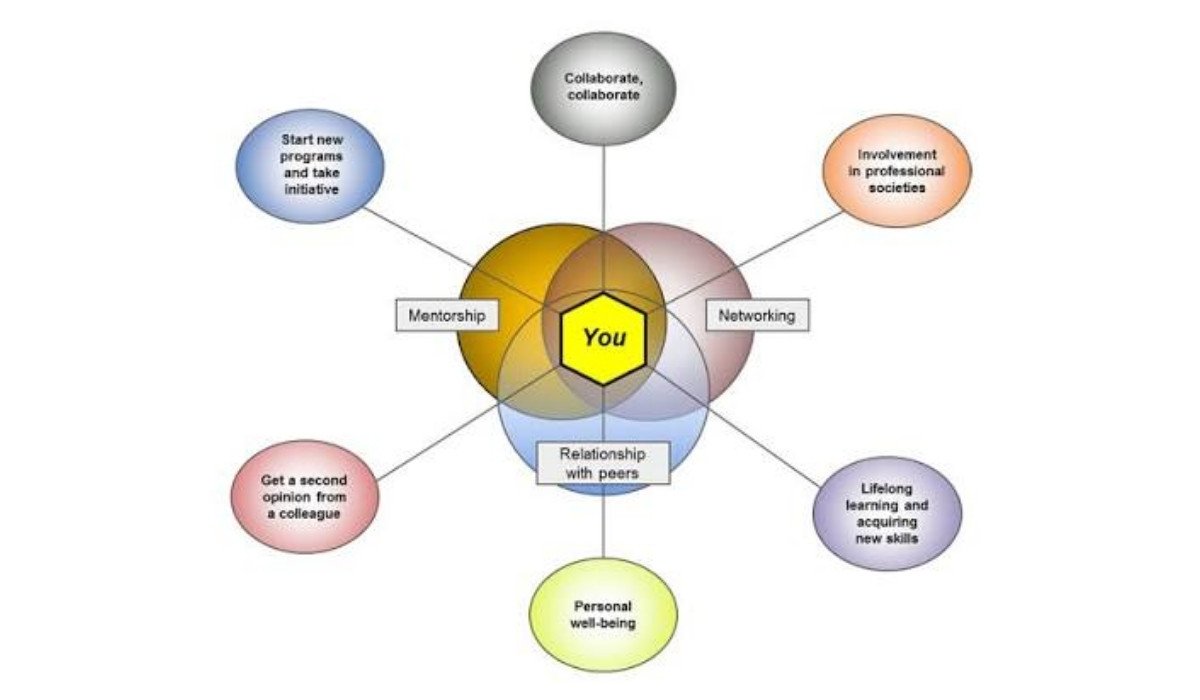
Embarking on a cardiologist career path is a journey defined by academic excellence, intense clinical training, and a profound commitment to patient health. This demanding medical specialty focuses on diagnosing, treating, and preventing cardiovascular diseases, which remain leading causes of mortality globally. For aspiring physicians, the road is long—requiring over a decade of education beyond undergraduate studies—but it offers the unique opportunity to save lives through cutting-edge technology and deep medical expertise. If you have a passion for complex anatomy and a desire to make a tangible impact on long-term patient outcomes, this challenging yet rewarding medical specialization is waiting.
| Feature | Details |
| Primary Goal | Successful cardiologist career path |
| Academic Base | Bachelor’s Degree + MD/DO |
| Training Time | 10–13 years total |
| Key Specialization | Cardiology (Internal Medicine base) |
| End Goal | Board-certified heart specialist |
Building the Undergraduate Foundation
The journey starts long before medical school. A successful cardiologist career path begins with a strong undergraduate degree, typically in biology, chemistry, or another pre-medicine field. You must maintain a high GPA to be competitive for top-tier medical programs. During this time, gaining exposure to research and clinical shadowing is invaluable. Focus on building a robust science curriculum while also developing soft skills like empathy and communication. These early years are about proving your academic capability and demonstrating the dedication required to eventually handle the rigorous demands of specialized heart medicine in a clinical setting.
Excelling in Medical School
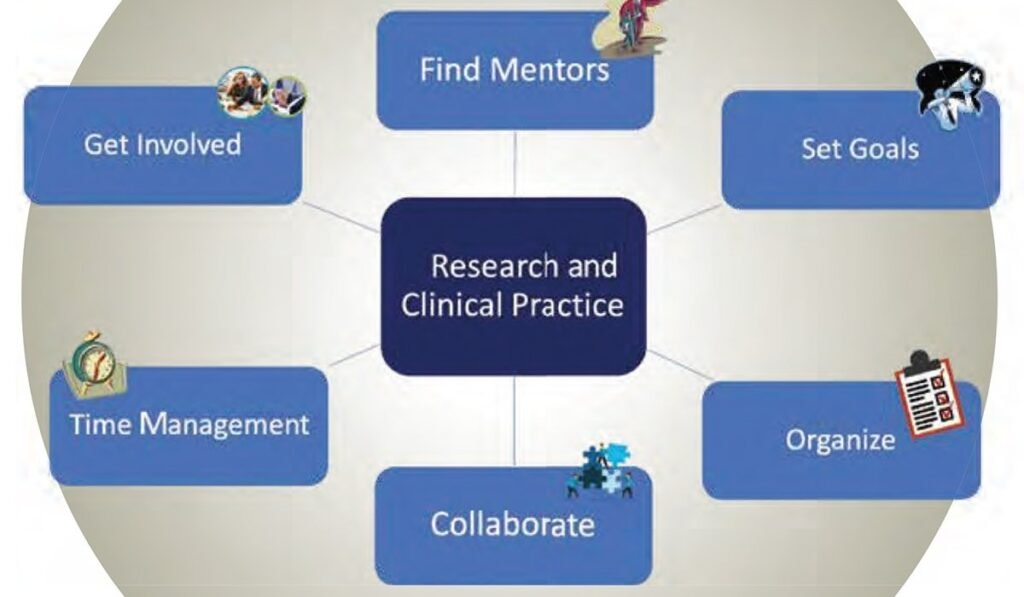
Getting accepted into medical school is the first major hurdle on your cardiologist career path. Once enrolled, you will dedicate four years to intensive study, covering human anatomy, pharmacology, pathology, and clinical diagnosis. The first two years are heavily focused on basic sciences, while the final two involve clinical rotations in various hospital departments. This is where you discover which areas of medicine truly resonate with you. Networking with mentors in cardiovascular departments during these years is essential, as their guidance can help you secure competitive residency spots later in your professional medical development.
Choosing an Internal Medicine Residency
After medical school, you must enter a residency program. For a cardiologist career path, the most common route is a three-year residency in Internal Medicine. During this period, you transition from student to doctor, gaining hands-on experience in managing a wide range of adult diseases. You will work long hours, learn to handle emergency situations, and develop the diagnostic reasoning required for complex cases. This residency is foundational, providing you with the general medical expertise that all specialists must possess before narrowing their focus to the specific challenges and nuances of the cardiovascular system.
The Importance of Clinical Rotations
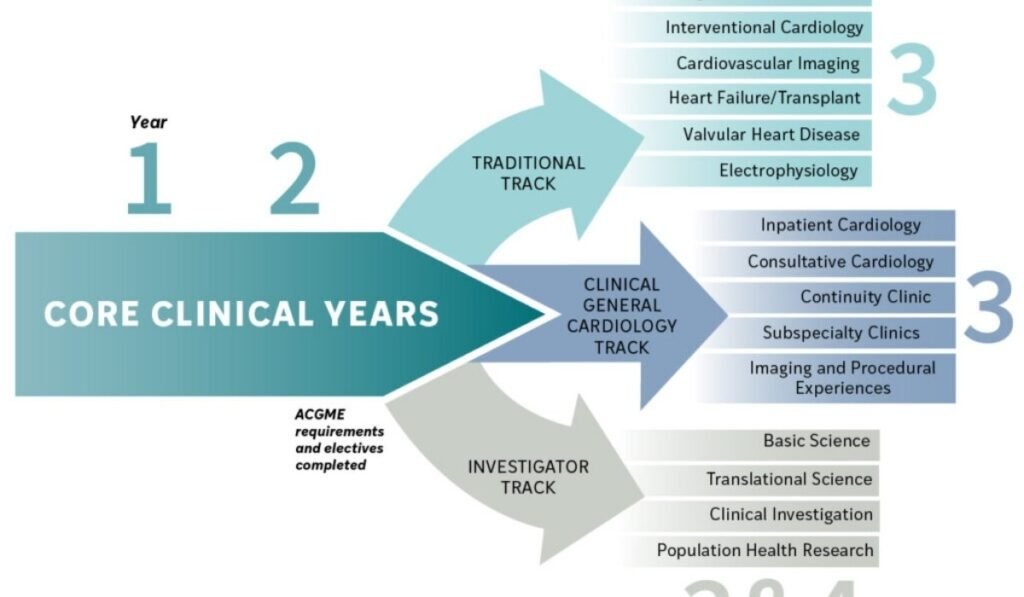
Clinical rotations are the bridge between theory and practice on your cardiologist career path. During your residency, you will spend time in cardiac units, observing how specialists manage heart failure, arrhythmias, and acute coronary syndromes. This hands-on time is crucial for deciding if you truly want to pursue this path. Observe how attendings interact with patients and how they manage the high-stress environment of a cardiac ward. The experience gained during these rotations will solidify your interest and help you build the necessary relationships with senior doctors who can provide letters of recommendation.
Preparing for Fellowship Training
Fellowship is where the specialization happens. After completing your internal medicine residency, you will apply for a competitive cardiology fellowship, which typically lasts three to four years. This is the core stage of your cardiologist career path, where you gain advanced training in echocardiography, stress testing, cardiac catheterization, and electrophysiology. The selection process is highly competitive, so having strong board scores and research experience is vital. During fellowship, you will work under the guidance of world-class experts, refining your skills and becoming a proficient clinician capable of diagnosing the most complex heart conditions independently.
Mastering Cardiovascular Physiology
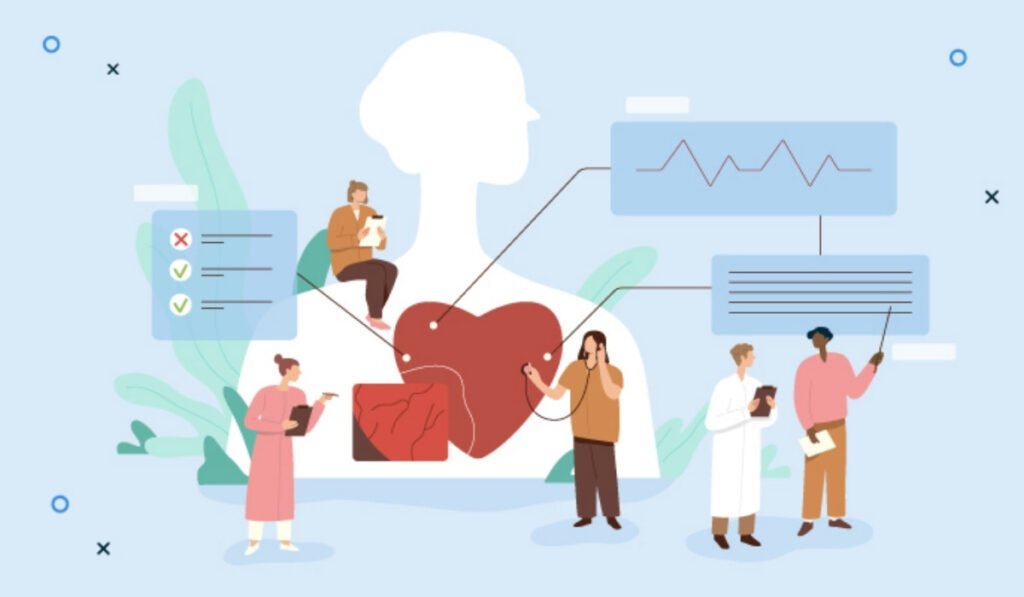
To excel on the cardiologist career path, you must have an almost intuitive understanding of cardiovascular physiology. You need to understand the heart’s electrical system, blood flow dynamics, and the intricate ways the heart responds to stress and disease. This is not just memorization; it is the ability to interpret data in real-time. Whether you are reading an EKG or interpreting an ultrasound, your foundational knowledge of physiology acts as your primary tool. Constantly updating this knowledge is a lifetime commitment, as research continues to reveal new insights into how the heart functions daily.
Sub-specializing in Interventional Cardiology
Many doctors choose to further refine their cardiologist career path by sub-specializing in interventional cardiology. This sub-specialty focuses on minimally invasive procedures like angioplasty and stenting to treat blockages in the heart’s arteries. This requires additional fellowship training, often adding another one to two years to your timeline. Interventional cardiologists are on the front lines of emergency care, often performing life-saving procedures on patients experiencing acute heart attacks. It is a high-stakes, technically demanding field that requires excellent hand-eye coordination and the ability to make rapid, accurate decisions under intense pressure in the lab.
Exploring Electrophysiology
Electrophysiology (EP) is another exciting branch of the cardiologist career path. If you are fascinated by the heart’s electrical system, EP might be for you. These specialists treat rhythm disorders, such as atrial fibrillation, using pacemakers, implantable cardioverter-defibrillators, and catheter ablation. Like interventional cardiology, this requires extra fellowship training. The work involves mapping the heart’s electrical pathways and correcting abnormalities with precision. It is a rapidly evolving field, heavily integrated with new technology, making it a perfect fit for those who enjoy the intersection of advanced engineering and complex biological medicine daily.
The Role of Research in Cardiology
Research is a pillar of any advanced cardiologist career path. Whether you are in academia or private practice, staying current with the latest clinical trials and medical studies is mandatory. Many cardiologists spend part of their fellowship—and their professional careers—conducting research to improve treatment protocols. Participating in research demonstrates a commitment to advancing the field and helps you establish yourself as a leader in heart care. The results of these studies directly impact patient care standards, meaning that your contributions can eventually help doctors around the world provide better, more evidence-based treatments for everyone.
Building Soft Skills for Patient Care
Medical knowledge is not the only thing you need to succeed on a cardiologist career path. Cardiologist Career Path You must also develop exceptional soft skills. Cardiology patients are often scared, dealing with life-altering diagnoses and chronic conditions. Your ability to communicate complex medical concepts in simple, empathetic terms is what will define your success as a doctor. Patients need to feel heard and understood to trust your treatment plan. Developing this “bedside manner” takes years, but it is just as important as your technical skill with a catheter or an echocardiogram in the long run.
Managing the High-Stress Environment
Cardiology is inherently high-stress. You will frequently deal with life-and-death situations, complex diagnostic puzzles, and long, unpredictable shifts. A successful cardiologist career path requires excellent stress management techniques. Whether it is through exercise, meditation, or strong professional support networks, you must find ways to stay grounded. Resilience is not just a personality trait; it is a clinical requirement. If you cannot maintain your composure when things go wrong, you will struggle to provide the high-quality care your patients need. Building resilience early in your training is vital for your long-term health and career success.
Navigating the Job Market
Once you complete your training, you will face the job market. The cardiologist career path offers diverse settings: large academic centers, private practices, or hospital-employed positions. Each environment has its own culture and workload. Academic centers offer more research and teaching opportunities but often come with more bureaucratic requirements. Private practice can offer more autonomy and earning potential but requires a strong head for business. Understanding your personal goals—whether you want to focus on teaching, research, or direct patient care—is essential for making the right choice when accepting your first professional position after years of hard study.
Maintaining Board Certification
Your formal education doesn’t stop once you land a job. Throughout your cardiologist career path, you are required to maintain board certification. This involves ongoing medical education, passing periodic exams, and staying compliant with the latest standards set by medical boards. This process ensures that all practicing cardiologists remain at the cutting edge of medicine. It can be time-consuming, but it is a necessary part of the profession. Embracing this as an opportunity to keep learning, rather than as a chore, is the mark of a doctor truly dedicated to their craft and their patients.
Staying Current with Medical Technology
Cardiology is one of the most technology-driven specialties in medicine. New imaging techniques, robotic surgery, and advanced AI-driven diagnostics are changing how we treat heart disease. A professional cardiologist career path involves a lifelong commitment to learning these new tools. You must be willing to adapt to new technology as it emerges. If you resist change, your diagnostic and treatment capabilities will stagnate. By embracing innovation, you ensure that you are always offering your patients the most effective, modern, and reliable care possible, which is the ultimate goal of being a heart specialist.
Balancing Personal and Professional Life
Burnout is a real risk in medicine. Maintaining a sustainable cardiologist career path requires an active effort to balance your work and personal life. Long hours are part of the deal, but setting boundaries is necessary. Without rest, your clinical decision-making can suffer, which directly endangers your patients. Learn to prioritize your physical and mental health. Whether it is scheduling regular vacations or simply taking time for hobbies outside of the hospital, remember that you are a human being first and a doctor second. Your patients will ultimately receive better care when you are rested and focused.
Mentoring the Next Generation
As you advance in your cardiologist career path, you will have the opportunity to mentor medical students and residents. This is one of the most rewarding parts of the profession. Teaching others allows you to solidify your own knowledge and give back to the medical community that trained you. Being a good mentor involves more than just teaching clinical skills; it means guiding young doctors through the challenges of the profession. Passing on your experience helps ensure the future of the field remains bright and continues to attract the most dedicated, talented minds.
Financial Planning for Physicians
The cost of training is high, and the student debt associated with a cardiologist career path can be significant. Early financial planning is essential. Once you begin your career, you will need to manage your income, loan repayments, and long-term investments. Consulting with financial advisors who understand the unique career trajectory of physicians can save you significant stress in the long run. By managing your finances wisely from the start, you can ensure that you are working because you love the field of cardiology, not just to pay off lingering debts from your early education years.
The Future of Cardiology
The field is constantly changing. As the global population ages, the demand for specialists on the cardiologist career path will only increase. We are seeing a move toward more preventative, personalized medicine and a greater focus on genetic risk factors. Being a cardiologist in the coming decades will require an even broader set of skills. Those who stay curious, embrace change, and remain deeply committed to the patient experience will find this to be a truly fulfilling and stable career, regardless of how the landscape of healthcare continues to evolve over the next several years.
Ethics and Patient Advocacy
Every step of your cardiologist career path must be guided by strong medical ethics. You will often be the one discussing difficult prognoses or navigating complex end-of-life decisions with families. Being a patient advocate means always putting the patient’s well-being above institutional pressure or convenience. This often requires courage, but it is the cornerstone of professional medicine. By maintaining your integrity and standing up for what is best for your patients, you build the kind of trust that defines a legendary career and ensures that you are remembered for your character as much as your expertise.
Conclusion and Professional Commitment
Achieving your goals on the cardiologist career path takes years of grit, but it leads to a profession that is deeply impactful. By following this roadmap—from the early undergraduate days to fellowship and beyond—you prepare yourself to be a guardian of heart health. Remember that learning never truly ends in this field; it is a lifelong commitment to your patients. Your dedication will change lives, providing hope and healing to those who need it most. For those ready to begin, there is no more noble a pursuit than dedicating your career to the mastery of the human heart. Further information can be found at.
- How many years does it take to become a cardiologist?
- The path generally takes 10 to 13 years of education and training after high school.
- Is cardiology a stressful profession?
- Yes, it involves high-stakes decision-making and emergency situations, requiring excellent stress management skills.
- What is the difference between a cardiologist and an interventional cardiologist?
- An interventional cardiologist has additional training to perform minimally invasive procedures like stent placement.
- Do I need to be good at math and science for this path?
- Yes, a strong foundation in biological and physical sciences is critical for medical school and residency success.
- Is research important for this career?
- Research is highly valued and often expected for those looking to advance into top-tier academic or specialty roles.