


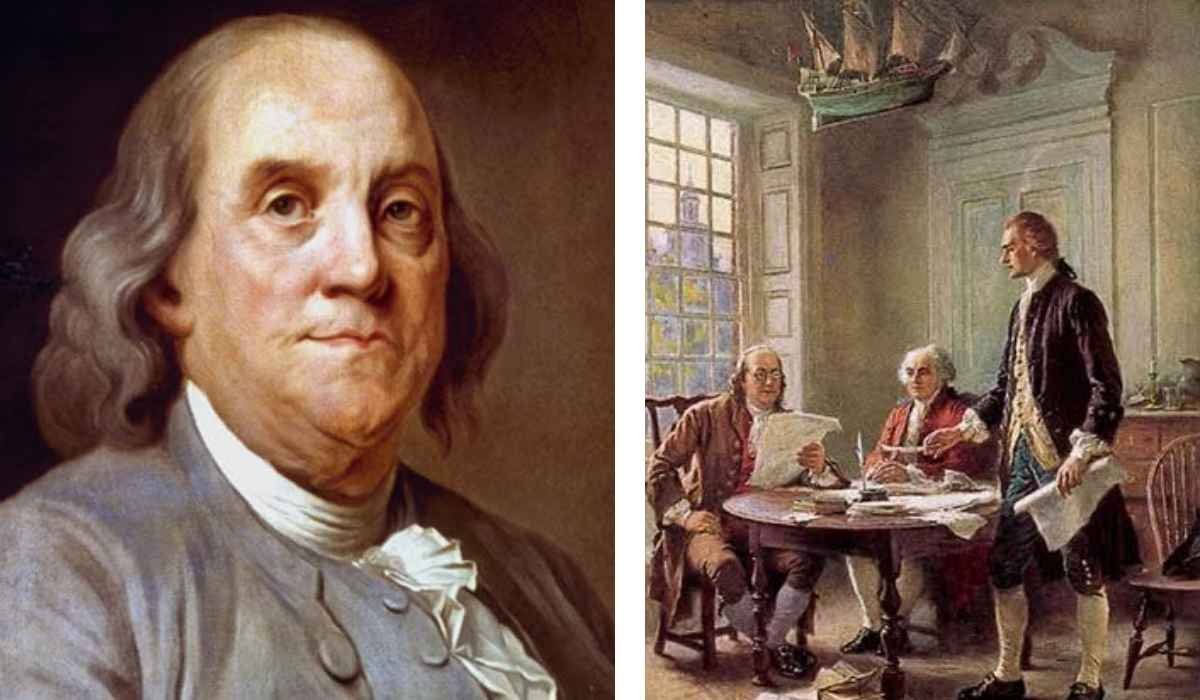
The landscape of American enlightenment, political diplomacy, and practical science during the eighteenth century owes an immeasurable debt of gratitude to the multifaceted genius of Benjamin Franklin, whose relentless curiosity completely transformed the intellectual reality of the modern world. During a time when colonial territories struggled for identity and scientific understanding remained primitive, this remarkable polymath rose to prominence with a mind rooted in pragmatism, civic duty, and unyielding public service. By championing scientific experimentation and democratic ideals, he demonstrated that practical wisdom could be effectively harnessed to create institutions and technologies that revolutionized global diplomacy, publishing, and physics. His life remains a guiding light for anyone striving to build a more enlightened society.
Quick Bio Snapshot
- Full Name: Benjamin Franklin
- Lifespan: January 17, 1706 – April 17, 1790
- Key Role: American founding father, printer, scientist, and diplomat
- Major Achievement: Proved electricity was lightning, invented the lightning rod, and helped draft the Declaration of Independence
Early Life and Publishing Roots of Benjamin Franklin
The journey of Benjamin Franklin began in Boston, Massachusetts, where he was born into a modest family of soap and candle makers. Growing up with an insatiable appetite for reading despite receiving formal schooling for only two years, he spent his youth apprenticing in his brother’s printing shop. These formative years planted the seeds of a lifelong passion for typography, writing, and public discourse. Seeking independence, he eventually relocated to Philadelphia, Pennsylvania, where his entrepreneurial spirit and exceptional craftsmanship allowed him to establish his own printing business, launching a prolific publishing career centered around the successful Pennsylvania Gazette and Poor Richard’s Almanack.
Scientific Experimentation and Electrical Discoveries of Benjamin Franklin
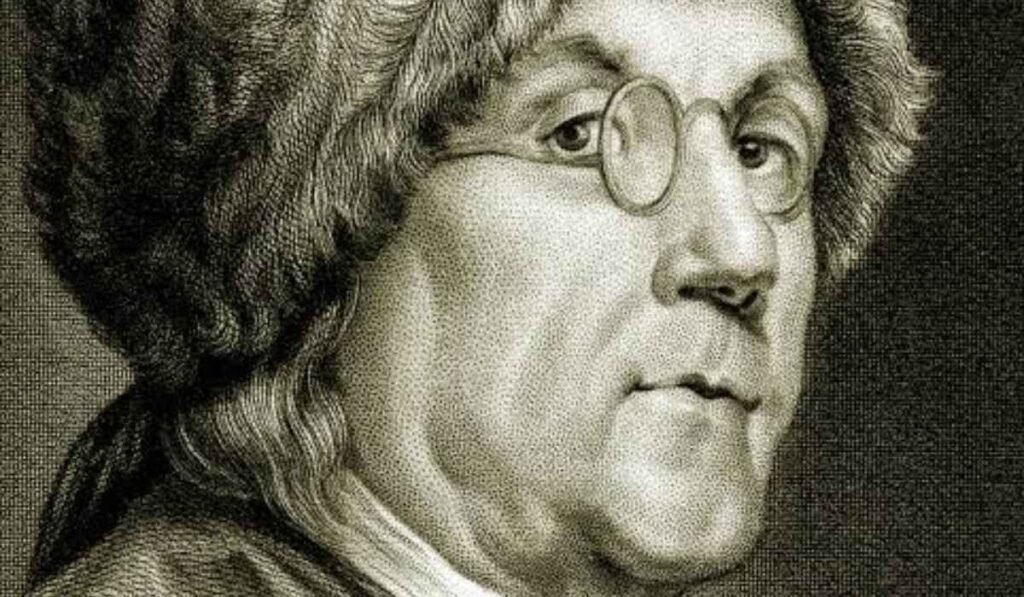
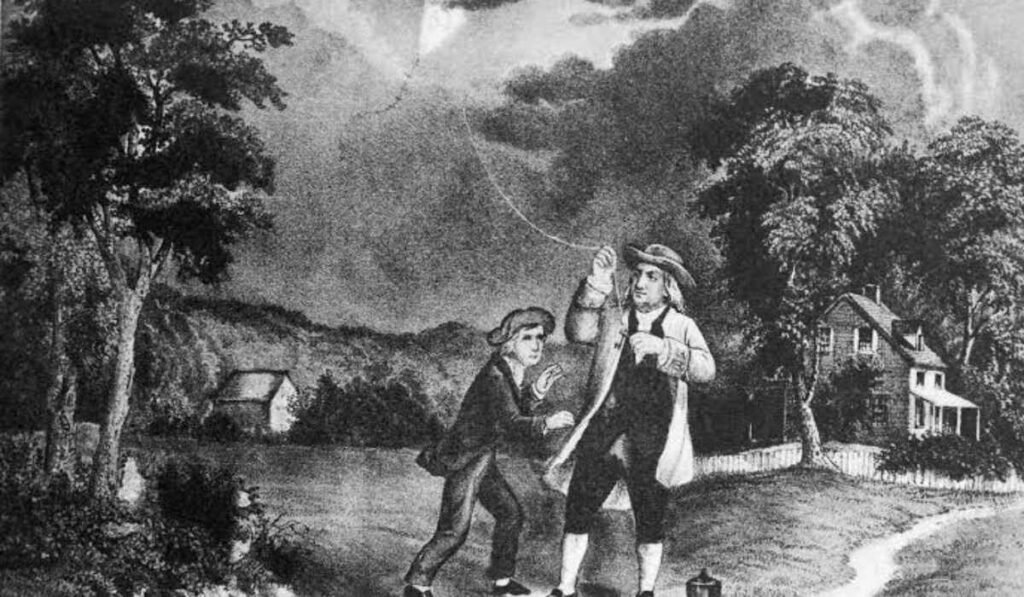
Scientific inquiry became a defining hallmark of the intellectual pursuits undertaken by Benjamin Franklin during his middle years. Fascinated by the mysterious nature of electrical phenomena, he conducted numerous rigorous experiments to understand how electrical charges operated. His famous kite experiment in 1752 definitively proved that lightning was indeed a form of electrical energy rather than divine wrath. Building upon this monumental breakthrough, Benjamin Franklin invented the lightning rod, protecting wooden colonial buildings from destructive fires. This practical application of physics earned him international scientific acclaim, cementing his reputation as a leading Enlightenment thinker across Europe and the Americas.
Civic Innovations and Community Building in Philadelphia
Improving the daily lives of his fellow citizens formed a central mission for Benjamin Franklin, who utilized his organizing talents to establish essential public institutions in Philadelphia. Recognizing the lack of organized safety and infrastructure, he founded the Union Fire Company, the first volunteer firefighting brigade in the American colonies. Furthermore, Benjamin Franklin helped establish the Library Company of Philadelphia, the American Philosophical Society, and the Pennsylvania Hospital. These civic initiatives transformed the city into an organized urban center, proving that collective community cooperation could solve complex social problems effectively without heavy governmental interference.
Diplomatic Missions and Representing the Colonies Abroad
International diplomacy and political negotiation reached a dramatic peak when Benjamin Franklin traveled to Europe to represent colonial interests before the British Crown and later the French court. Spending decades residing abroad, he navigated treacherous political waters with trademark wit, cultural charm, and sophisticated diplomacy. Whether debating colonial taxation policies in London or securing vital military alliances in Paris, Benjamin Franklin used his immense global prestige to garner crucial European support for the emerging American nation. This diplomatic brilliance ensured that the revolutionary cause received the financial and military backing required to defeat a superpower.
The American Revolution and Drafting the Declaration of Independence
Political independence for the thirteen colonies became the ultimate focus of the patriotic zeal channeled by Benjamin Franklin during the turbulent 1770s. Returning permanently to America, he lent his immense moral authority to the Continental Congress, serving on the prestigious committee tasked with drafting the foundational documents of the new republic. Working closely with Thomas Jefferson and John Adams, Benjamin Franklin helped refine the historic text of the Declaration of Independence. His unwavering commitment to liberty and self-governance cemented his status as one of the indispensable founding fathers of the United States.
Securing the French Alliance during the Revolutionary War
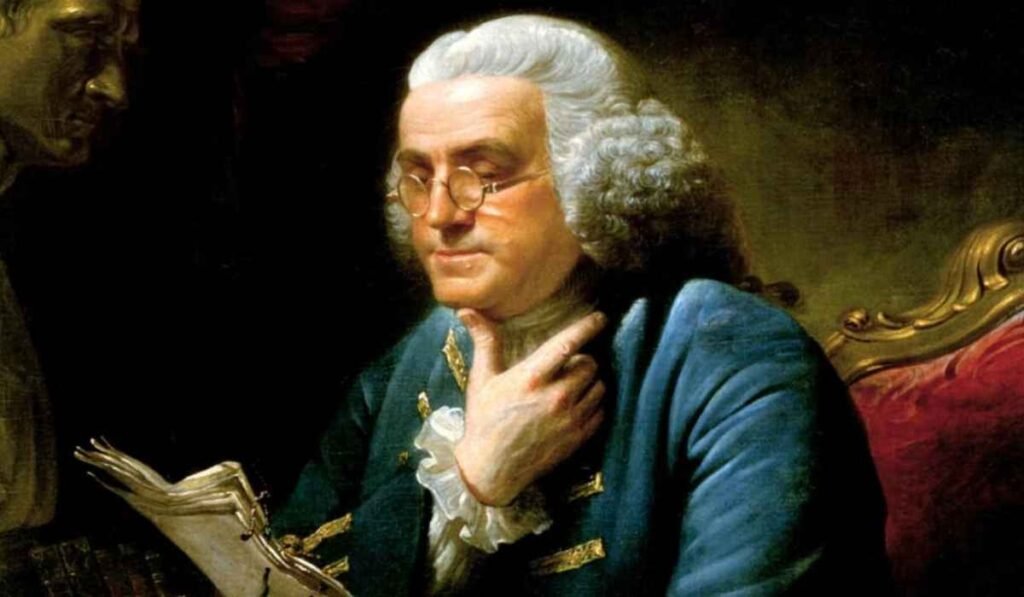
Military survival during the darkest hours of the Revolutionary War depended heavily upon the diplomatic triumphs achieved by Benjamin Franklin in France. Arriving in Paris as an American ambassador, he captured the French imagination, winning the adoration of French aristocracy and ordinary citizens alike. Through patient negotiation and strategic charm, Benjamin Franklin successfully persuaded King Louis XVI to sign the Treaty of Alliance in 1778, providing vital French troops, naval support, and financial loans. This monumental diplomatic coup decisively turned the tide of the war in favor of the American revolutionaries.
The Constitutional Convention and Framing the New Republic
Shaping the supreme law of the land became the final monumental political contribution made by Benjamin Franklin during the Constitutional Convention of 1787. As the oldest and most venerated delegate in attendance, he frequently acted as a calming, pragmatic mediator bridging deep ideological divides between warring factions. Although he did not agree with every single clause in the final document, Benjamin Franklin famously urged his fellow delegates to sign the United States Constitution with a spirit of compromise and unity. His wise counsel ensured the successful ratification of a durable democratic framework.
Promoting Abolition and Later Humanitarian Efforts
Human rights advocacy formed a deeply meaningful final chapter in the public life of Benjamin Franklin, who used his dying years to oppose human bondage. Becoming president of the Pennsylvania Society for Promoting the Abolition of Slavery in 1787, he penned powerful essays and petitioned the federal government to outlaw the transatlantic slave trade. This moral evolution demonstrated that Benjamin Franklin continued questioning societal injustices well into his old age. His late-life dedication to universal human freedom added a profound humanitarian layer to his extensive record of public service.
Cultural Icon Status and Global Fame
Commanding international attention through his prolific intellect, Benjamin Franklin evolved into one of the most recognizable cultural icons and philosophical legends of the eighteenth century. From European royal courts to colonial printing shops, every scientific essay, political pamphlet, and witty aphorism he published was celebrated by the global public. However, his public persona was carefully cultivated; he frequently projected the image of a humble, self-made American common man. The timeless intellectual legacy of Benjamin Franklin continues to inspire contemporary writers, scientists, and politicians, cementing his status as a legendary figure whose wisdom transcends time.
Work Ethic and Pragmatic Philosophy of Daily Life
Exerting legendary levels of personal discipline, Benjamin Franklin famously practiced a rigorous daily schedule centered around self-improvement, moral virtues, and efficient time management. His autobiography detailed a systematic method for tracking thirteen distinct virtues, ranging from temperance and industry to sincerity and humility. Whether analyzing business logistics or improving domestic heating systems with the invention of the Franklin stove, Benjamin Franklin viewed every waking hour as an opportunity for practical productivity. This pragmatic philosophy remains a gold standard for modern self-improvement literature and personal development.
The Declining Health and Passing of Benjamin Franklin
The earthly journey of Benjamin Franklin drew to a close on April 17, 1790, when pleurisy and respiratory failure claimed his life at his home in Philadelphia, Pennsylvania. News of his passing plunged the newly formed United States and the European intellectual community into an immediate state of national mourning and profound respect. Tens of thousands of citizens attended his funeral procession to honor his monumental contributions to science and liberty. The peaceful passing of Benjamin Franklin transformed him into an immortalized historical figure, sealing his place among the most celebrated architects of modern civilization.
Global Mourning and Tributes to an Enlightenment Titan
Witnessing the unprecedented wave of public mourning following his passing revealed the profound emotional connection that Benjamin Franklin held with ordinary people worldwide whose lives he had influenced through science and philosophy. Parliaments in France and America declared official periods of mourning, celebrating his vast array of achievements. The monumental state tributes organized across continents drew international leaders, scientists, and everyday citizens alike, all united in honoring his genius. This collective outpouring demonstrated that he was not just a politician, but a globally cherished champion of human progress.
Cultural Impact and Global Legacy
Decades after his death, the cultural impact of Benjamin Franklin remains vividly alive in global memory, educational institutions, postal systems, and physical science laboratories. Foundations, universities, and scientific awards established in his name continue to fund vital technological research worldwide. The civic blueprint left by his organizations changed how modern communities approach public welfare and volunteerism. His enduring message reminds humanity that true progress requires relentless curiosity, civic participation, and an unshakeable commitment to solving practical human problems through applied reason.
Modern Relevance and Timeless Wisdom Teachings
Contemporary innovators frequently look back to the entrepreneurial model of Benjamin Franklin for inspiration when launching businesses, conducting scientific experiments, and solving complex civic crises. As new generations navigate rapid technological transformations, the tenacity demonstrated by his career provides a reliable roadmap for turning abstract ideas into tangible societal benefits. Honoring his memory requires more than nostalgic remembrance; it demands active participation in community service, scientific inquiry, and defending the democratic principles he fought so hard to establish throughout his extraordinary life.
Inspiring Future Generations of Global Thinkers
The ongoing realization of the intellectual ideals championed by Benjamin Franklin rests heavily upon the shoulders of emerging scholars and creators across the globe. Educational programs and historical museums continually introduce young minds to his extensive writings and inventions, ensuring that the foundational values of curiosity, frugality, and civic duty are passed down. Each individual who chooses rational problem-solving over dogma helps fulfill the vision once embodied by his daily printing press trials. The journey toward a more enlightened global society is continuous, requiring constant dedication and creativity from everyone who shares his passion for discovery.
Commemoration and Reflection on His Life
Annual observances dedicated to the memory of Benjamin Franklin serve as important moments for international self-reflection, encouraging students and scientists to engage in creative problem-solving and public service. These traditions keep the spirit of Enlightenment ingenuity alive, transforming historical remembrance into a living movement of active societal contribution. Through these collective efforts, his legacy transcends the history books, manifesting daily in lightning protection, public libraries, postal networks, and democratic institutions operating around the world.
Conclusion: The Eternal Spirit of Practical Wisdom
Ultimately, the profound impact of Benjamin Franklin defies simple categorization, representing a permanent shift in how humanity harnesses science, diplomacy, and civic duty to improve daily existence. His unwavering faith in human ingenuity and the power of rational discourse continues to inspire millions across cultural, geographic, and generational divides. As long as people strive for scientific advancement, democratic freedom, and practical efficiency, the visionary spirit embodied by Benjamin Franklin will forever illuminate the path toward a brighter, more enlightened future for all mankind.
Frequently Asked Questions
- What was the primary scientific experiment that brought Benjamin Franklin global fame?
- He proved lightning was electrical energy using a kite experiment in 1752.
- Which important historical document did Benjamin Franklin help draft?
- He served on the committee that helped draft the Declaration of Independence in 1776.
- What practical heating device did Benjamin Franklin invent?
- He invented the energy-efficient Franklin stove to improve home heating.
- How did Benjamin Franklin secure victory in the Revolutionary War?
- He successfully negotiated a crucial military alliance with France in 1778.
- What popular colonial publication did he establish and run?
- He published Poor Richard’s Almanack under the pseudonym Richard Saunders.