


The landscape of modern space exploration and human technological achievement during the twentieth century owes an immeasurable debt of gratitude to the pioneering spirit of Neil Armstrong, whose historic lunar landing completely transformed our place in the universe. During a time when the Cold War space race pushed rival nations to the absolute brink of scientific capability, this remarkable astronaut rose to prominence with a demeanor rooted in calm professionalism, engineering precision, and unyielding courage. By stepping onto the lunar surface, he demonstrated that seemingly impossible scientific dreams could be realized through rigorous dedication, teamwork, and national resolve. His life remains a guiding light for anyone striving to push the boundaries of human knowledge.
Quick Bio Snapshot
- Full Name: Neil Alden Armstrong
- Lifespan: August 5, 1930 – August 25, 2012
- Key Role: American astronaut, aeronautical engineer, and naval aviator
- Major Achievement: Commanded Apollo 11 and became the first human to walk on the moon in 1969
Early Life and Aviation Roots of Neil Armstrong
The journey of Neil Armstrong began in Wapakoneta, Ohio, where he was born into a supportive family with deep Midwestern values. Growing up with an intense fascination with aircraft, he took his first airplane ride at the tender age of six, igniting a lifelong passion for flight. These formative years planted the seeds of a disciplined work ethic and an insatiable curiosity regarding aerodynamics. Earning his student pilot license before he even possessed a driver’s license, he spent his youth building model airplanes and reading voraciously, laying a strong technical foundation that prepared him for an extraordinary career in aviation.
Naval Service and Combat Flying Missions
Military service during the Korean War provided crucial operational experience for Neil Armstrong, who enlisted in the United States Navy as a naval aviator immediately after attending Purdue University. Flying dozens of combat missions from the deck of the aircraft carrier USS Essex, he demonstrated exceptional flying skill under enemy fire, even safely ejecting after his fighter jet collided with an antiaircraft cable. This high-stakes wartime environment honed his legendary cool-headedness and problem-solving abilities. The courage displayed during these missions shaped how Neil Armstrong managed high-pressure emergency situations throughout his subsequent professional career in experimental test flying.
Test Pilot Career and Aerospace Engineering
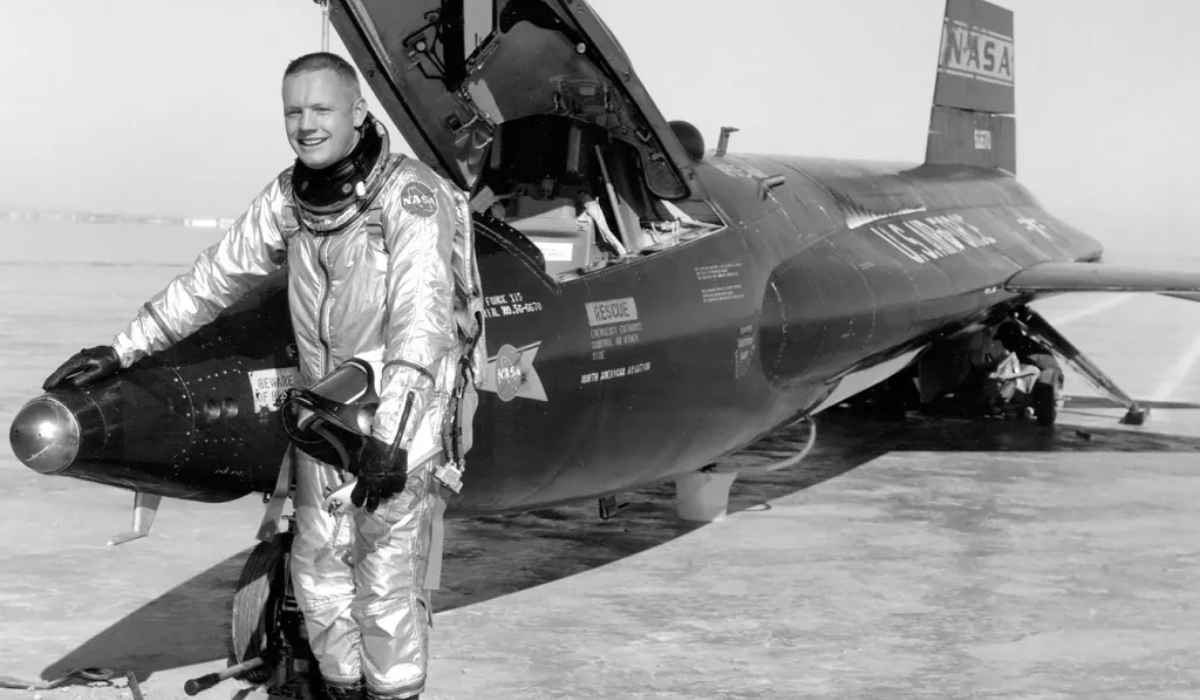
Transitioning from military combat to experimental flight testing, Neil Armstrong joined the National Advisory Committee for Aeronautics, later known as NASA. Working at the high-speed flight station in Edwards Air Force Base, California, he flew cutting-edge supersonic aircraft, including the legendary rocket-powered X-15, pushing aerospace engineering to its absolute limits. His analytical engineering mindset and rigorous attention to safety protocols made him an ideal candidate for astronaut selection. Through these daring research flights, Neil Armstrong mastered the complex mechanics of atmospheric flight, establishing himself as one of the premier test pilots of his generation.
Selection as an Astronaut and Gemini Program Success
National prominence arrived for Neil Armstrong when NASA selected him to join the elite group of astronauts for the Gemini program. Serving as command pilot for the Gemini 8 mission in 1966, he achieved history by executing the first successful docking of two spacecraft in orbit with the Agena target vehicle. When a sudden and violent thruster malfunction threatened to destroy their spacecraft, the lightning-fast emergency reactions and precise piloting of Neil Armstrong saved the crew from certain disaster, earning him universal praise within the international aerospace community and cementing his reputation for unwavering composure during critical crises.
Preparing for the Historic Apollo 11 Lunar Mission
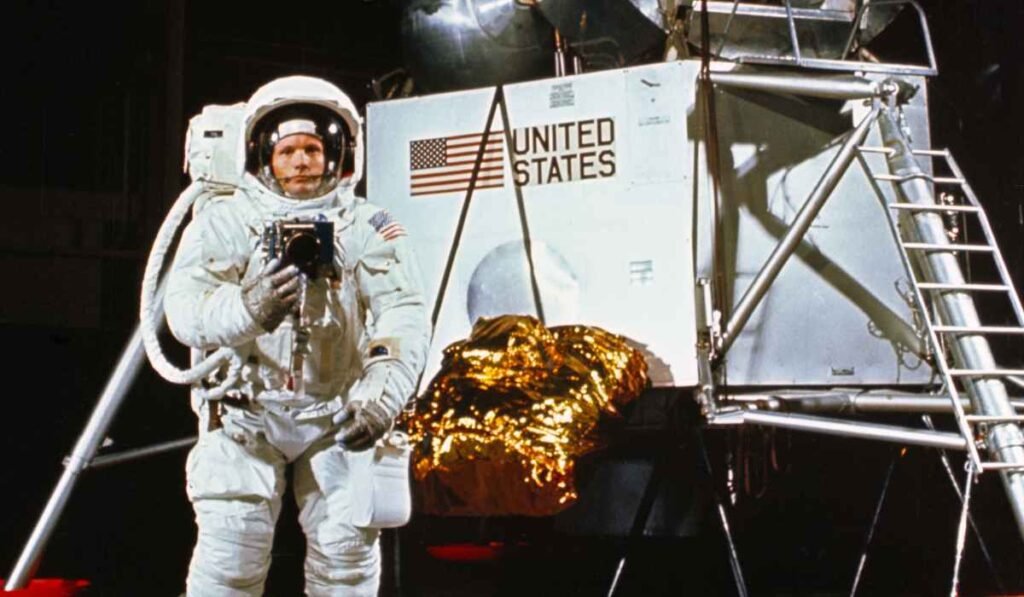
Rigorous training regimens dominated the years leading up to the crowning achievement engineered by Neil Armstrong and his fellow crewmates, Buzz Aldrin and Michael Collins. As commander of Apollo 11, he spent countless hours practicing lunar module landings in simulators, studying geology, and reviewing complex flight checklists to anticipate every conceivable mechanical failure. The immense political pressure of President Kennedy’s mandate to reach the moon before the decade ended weighed heavily on the team. Despite the monumental stakes, the methodical preparation led by Neil Armstrong ensured the mission was thoroughly rehearsed down to the smallest detail.
The Eagle Has Landed: Reaching the Lunar Surface
Historic triumph unfolded on July 20, 1969, when the lunar module Eagle, guided manually by Neil Armstrong to avoid hazardous boulder fields, successfully touched down on the surface of the moon. Millions of viewers across the globe watched the tense descent in absolute awe as fuel reserves dwindled dangerously low. Announcing the successful landing to mission control, Neil Armstrong secured a permanent place in human history. This flawless planetary arrival proved that human ingenuity could conquer the vast emptiness of space, marking a monumental turning point in technological civilization.
One Small Step: Walking on the Moon
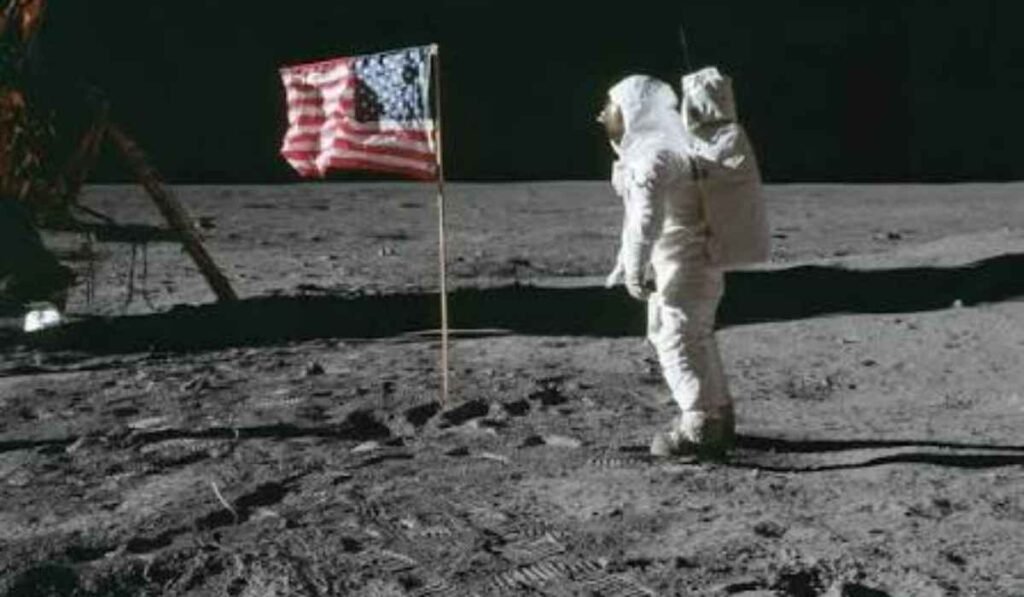
Stepping out of the lunar module hatch shortly after landing, Neil Armstrong descended the ladder and placed his left boot onto the dusty gray soil of the moon. Broadcasted live to an estimated six hundred million television viewers, he uttered the immortal words: “That’s one small step for man, one giant leap for mankind.” During their historic moonwalk, Neil Armstrong and Buzz Aldrin collected geological rock samples, deployed scientific instruments, and planted the American flag. This transcendent moment represented the collective triumph of scientific exploration, permanently altering humanity’s relationship with the cosmos.
Global Tributes and the Post-Apollo Life
Returning safely to Earth after the successful mission, Neil Armstrong and his crew embarked on a massive worldwide goodwill tour, meeting heads of state and celebrating a historic human victory. However, despite achieving global fame, Neil Armstrong maintained a humble and intensely private demeanor, choosing to step away from active spaceflight soon after. Rather than capitalizing commercially on his immense celebrity, Neil Armstrong transitioned into academia and corporate leadership, proving that the monumental achievement of Neil Armstrong was defined by public service rather than personal vanity.
Academic Contributions and Engineering Education
Educating future generations of scientists became a passionate focus for Neil Armstrong during his tenure as a professor of aerospace engineering at the University of Cincinnati. For nearly a decade, he shared his vast technical knowledge with students, lecturing on aircraft design and experimental flight mechanics without demanding special treatment. His dedication to academic rigor demonstrated that Neil Armstrong valued intellectual contribution far above the accolades of celebrity status. Through teaching, he ensured that his passion for aerospace engineering would inspire aspiring minds to pursue careers in science and technology.
Corporate Leadership and Technological Advisory Roles
Applying technical expertise to private industry, Neil Armstrong lent his prestigious name and engineering acumen to various corporate boards and aerospace advisory committees. He served as a director for several prominent technology and aviation companies, helping guide strategic development during the rapid expansion of modern commercial aviation. Furthermore, the analytical insights provided by Neil Armstrong helped shape public policy regarding national transportation safety, ensuring that rigorous engineering standards remained paramount across the entire American industrial sector.
Public Service and Investigating National Aerospace Disasters
Serving his nation during times of crisis, Neil Armstrong accepted vital public service roles on national investigative panels, most notably the Rogers Commission following the tragic 1986 Space Shuttle Challenger disaster. Utilizing his extensive test-flying background, he helped uncover the mechanical and organizational failures that led to the catastrophe, demanding strict safety overhauls within NASA. This critical oversight role proved that the commitment of Neil Armstrong to aerospace safety extended far beyond his own flying days, protecting future generations of astronauts and explorers.
Cultural Icon Status and Worldwide Reverence
Commanding international respect through his dignified conduct, Neil Armstrong evolved into a universally recognized cultural icon and symbol of human potential. From commemorative stamps to school curriculums globally, his historic moonwalk was celebrated as a milestone for all mankind rather than just a single nation. Despite this legendary status, he fiercely protected his privacy, rarely granting interviews or signing autographs. The timeless legacy of Neil Armstrong continues to inspire contemporary artists, scientists, and dreamers, cementing his status as a legendary figure whose modesty matched his monumental achievements.
Work Ethic and Professional Humility
Exerting exceptional levels of professional discipline, Neil Armstrong famously avoided self-promotion, viewing his lunar landing simply as the collaborative result of hundreds of thousands of dedicated engineers, scientists, and technicians. His refusal to exploit his historical fame for personal financial gain became a defining trait of his honorable character. Whether evaluating flight data or interacting with admirers, Neil Armstrong always credited the broader team behind the space program, instilling a humble mindset that remains a gold standard for professional integrity and public service.
The Declining Health and Passing of Neil Armstrong
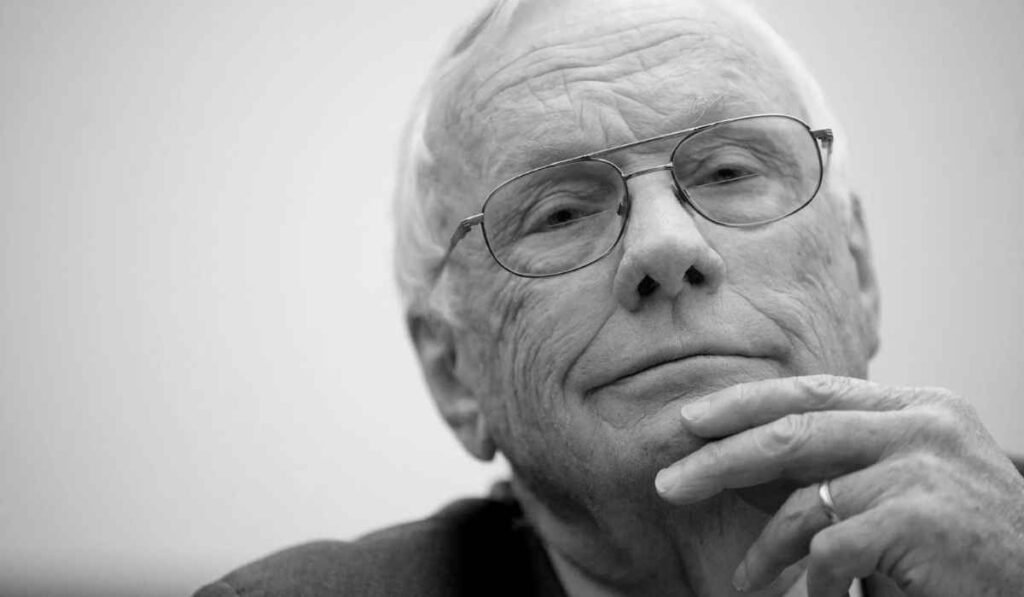
The earthly journey of Neil Armstrong drew to a close on August 25, 2012, when complications following heart bypass surgery claimed his life at the age of eighty-two in Cincinnati, Ohio. News of his passing plunged the United States and the global scientific community into an immediate state of national mourning and profound respect. Tributes poured in from international leaders, space agencies, and everyday citizens whose imaginations he had captured decades earlier. The peaceful passing of Neil Armstrong transformed him into an immortalized historical figure, sealing his place among the greatest explorers in human history.
Global Mourning and Tributes to an Exploration Titan
Witnessing the unprecedented wave of public mourning following his passing revealed the profound emotional connection that Neil Armstrong held with ordinary people worldwide whose lives he had inspired through the Apollo program. Memorial services celebrated his quiet courage, engineering brilliance, and dedication to peaceful exploration. The monumental tributes organized across nations drew international leaders and scientists alike, all united in honoring his extraordinary life. This collective outpouring demonstrated that Neil Armstrong was not just an astronaut, but a globally cherished architect of the modern space age.
Cultural Impact and Global Legacy
Decades after his death, the cultural impact of Neil Armstrong remains vividly alive in global memory, educational institutions, space research foundations, and planetary exploration programs. Scholarships and science awards established in his name continue to fund vital aerospace innovations worldwide. The engineering blueprint left by the Apollo missions changed how modern societies approach complex technological challenges. His enduring message reminds humanity that true progress requires meticulous planning, fearless courage, and an unshakeable commitment to exploring the unknown.
Modern Relevance and Timeless Engineering Teachings
Contemporary space innovators frequently look back to the professional model of Neil Armstrong for inspiration when launching private space ventures, designing rockets, and solving complex aerospace crises. As new generations navigate commercial space travel and interplanetary exploration, the tenacity demonstrated by his career provides a reliable roadmap for turning scientific theories into tangible realities. Honoring his memory requires more than nostalgic remembrance; it demands active participation in engineering, scientific inquiry, and defending the spirit of exploration just as he did throughout his extraordinary life.
Inspiring Future Generations of Global Explorers
The ongoing realization of the scientific ideals championed by Neil Armstrong rests heavily upon the shoulders of emerging engineers, astronomers, and creators across the globe. Educational programs and space museums continually introduce young minds to his historic lunar mission, ensuring that the foundational values of curiosity, precision, and courage are passed down. Each individual who chooses systematic problem-solving over frustration helps fulfill the vision once embodied by his calm cockpit maneuvers. The journey toward interplanetary habitation is continuous, requiring constant dedication and creativity from everyone who shares his passion for discovery.
Commemoration and Reflection on His Life
Annual observances dedicated to the memory of Neil Armstrong serve as important moments for international self-reflection, encouraging students and scientists to engage in creative space exploration and technical education. These traditions keep the spirit of aerospace ingenuity alive, transforming historical remembrance into a living movement of active scientific contribution. Through these collective efforts, his legacy transcends the history books, manifesting daily in satellite communications, weather forecasting, aeronautical engineering, and planetary missions operating across the solar system.
Conclusion: The Eternal Spirit of Cosmic Exploration
Ultimately, the profound impact of Neil Armstrong defies simple categorization, representing a permanent shift in how humanity perceives its place in the cosmos. His unwavering faith in human ingenuity and the power of methodical engineering continues to inspire millions across cultural, geographic, and generational divides. As long as people strive for scientific advancement, planetary exploration, and cosmic discovery, the visionary spirit embodied by Neil Armstrong will forever illuminate the path toward a brighter, more exploratory future for all mankind.
Frequently Asked Questions
- What was the primary space mission that brought Neil Armstrong global fame?
- He commanded the Apollo 11 mission and became the first human to walk on the moon in 1969.
- What famous words did Neil Armstrong say upon stepping onto the lunar surface?
- He declared, “That’s one small step for man, one giant leap for mankind.”
- What military branch did Neil Armstrong serve in during the Korean War?
- He served as a naval aviator flying combat missions from the aircraft carrier USS Essex.
- Which experimental rocket-powered aircraft did he successfully test before joining NASA?
- He flew the hypersonic North American X-15 research aircraft at Edwards Air Force Base.
- What academic career did Neil Armstrong pursue after leaving active spaceflight?
- He worked as a professor of aerospace engineering at the University of Cincinnati.