


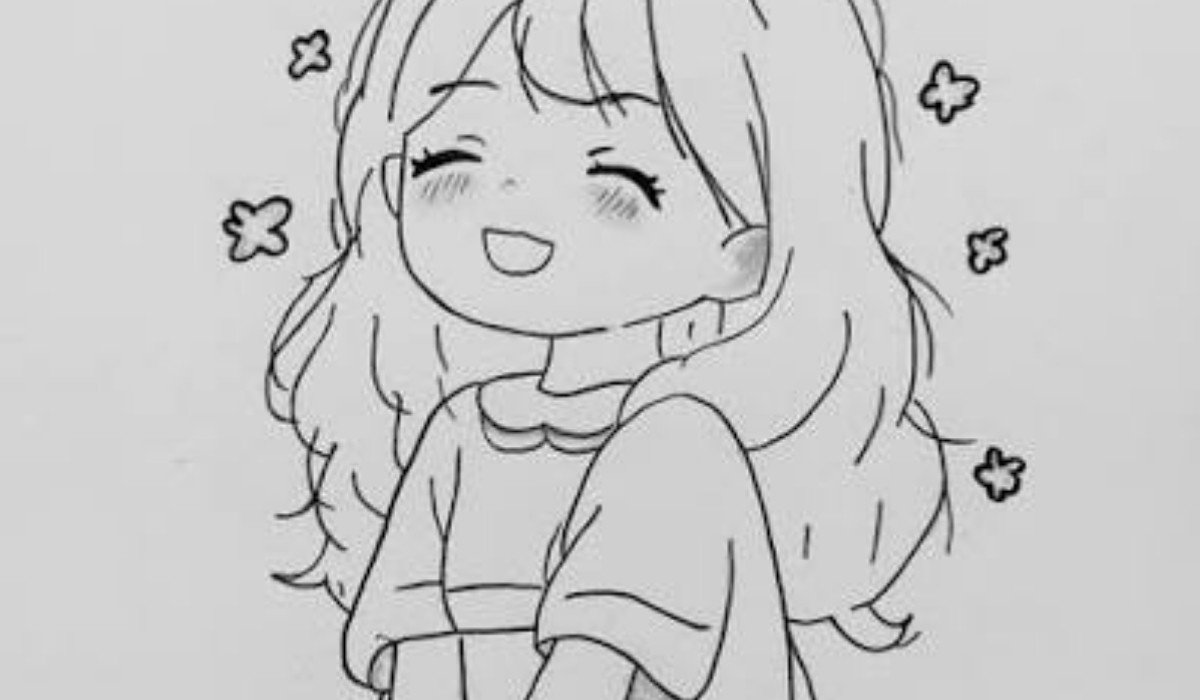
To successfully draw a cute girl, you must master the balance of soft proportions and expressive features. The secret lies in the psychological principles of “kindchenschema,” which suggests that large eyes, a rounded face, and simplified features naturally trigger a nurturing response in viewers. By starting with basic geometric shapes like circles and ovals, you can establish a sturdy foundation before adding the charming details that bring your character to life. Whether you are a beginner or looking to refine your style, focusing on these fundamental design elements will help you create a character that is irresistibly adorable.
| Feature | Details |
| Primary Focus | How to draw a cute girl |
| Key Shape | Round/Circular foundation |
| Eye Style | Large, expressive, and low-placed |
| Linework | Soft curves, minimal detail |
| Color Palette | Pastel or warm, inviting tones |
Mastering the Foundation of Shapes
When you set out to draw a cute girl, begin by visualizing the character as a collection of simple shapes rather than complex anatomy. A large, round circle serves as the perfect base for the head, as rounder shapes inherently communicate softness and friendliness. Avoid sharp angles or rigid squares, as these can make a character appear too serious or aggressive. Instead, use fluid curves to connect your shapes. This basic approach ensures that your initial sketch remains balanced and approachable, providing a clean canvas for adding the specific features that define a “cute” aesthetic.
The Importance of Facial Proportions
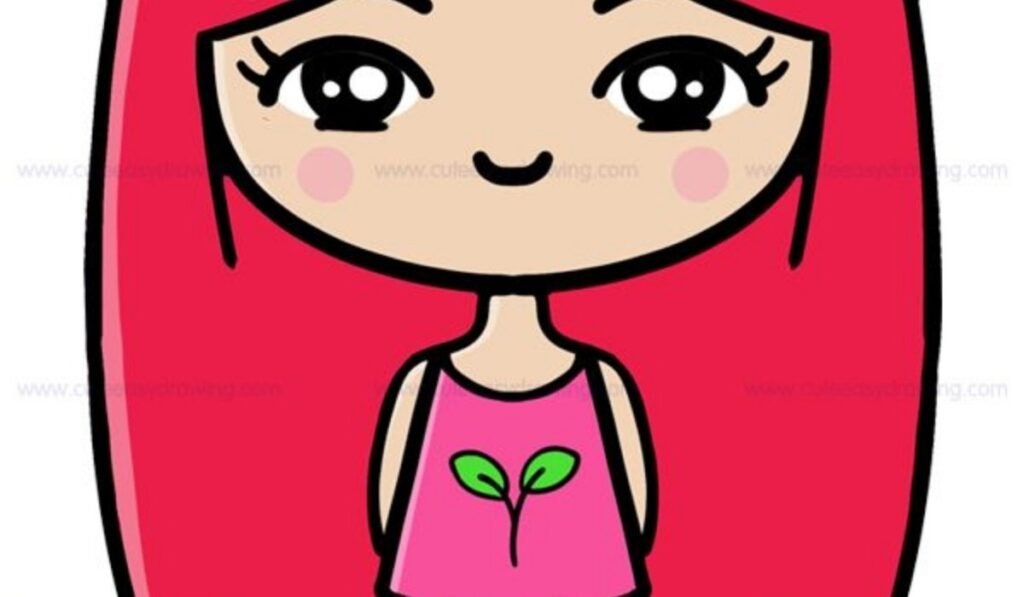
To draw a cute girl effectively, the placement of facial features is crucial. Place the eyes slightly lower on the face to create a larger forehead area, which mimics the proportions of a young child and enhances the “dinky” or innocent factor. Keep the nose small or even just a subtle dot, and ensure the mouth is kept simple. Large, expressive eyes are the focal point; they should be positioned a good distance apart to give the character an open, curious look. These proportions work together to trigger an emotional connection with your audience.
Designing Expressive and Large Eyes
Eyes are the “windows to the soul” in character design. When you draw a cute girl, make the eyes larger than you think you need to; they are the primary vehicle for emotion. Use subtle details like reflections or highlights within the iris to add depth and life to the gaze. Upward-curving eyebrows can convey inquisitiveness or joy, while simple shapes around the eyes can help indicate the character’s mood. Remember, minimal details often work best—a few well-placed lines can convey more emotion than a cluttered, overly detailed iris.
Utilizing Soft and Rounded Linework
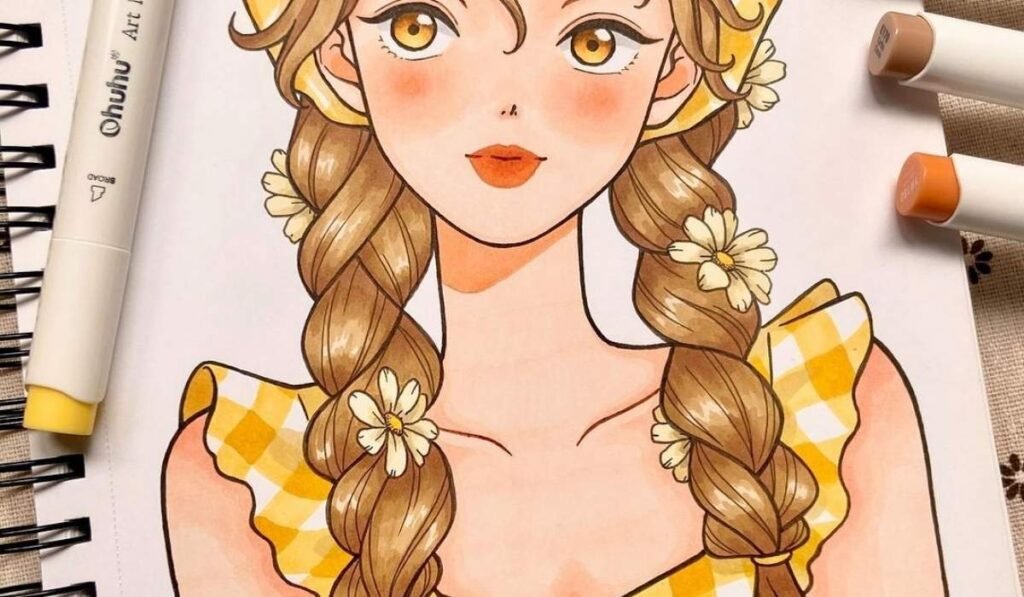
The quality of your lines determines the overall “feel” of your drawing. To draw a cute girl, prioritize soft, rounded contours over sharp or irregular ones. Think of your linework as a way to invite the viewer to “cuddle” the character. Avoid stiff, straight lines that make a figure look robotic. Instead, utilize S-curves and C-curves to provide a sense of natural movement and grace. Thick, smooth outlines often enhance the simplicity and clarity of a cute design, making it more visually appealing and memorable for the viewer.
Incorporating Cuteness 101 Principles
“Cuteness 101” is all about removing sharp edges and embracing softness. As you draw a cute girl, look for opportunities to round out the chin, the cheeks, and even the hair. Even the clothing should follow the body’s soft contours rather than being overly rigid. Short, plump limbs often contribute to a clumsy yet endearing silhouette that makes the character feel more “lovable” and passive. By consciously softening every transition point in your drawing, you create a cohesive style that feels naturally charming and intentionally designed to be sweet.
Keeping the Design Simple
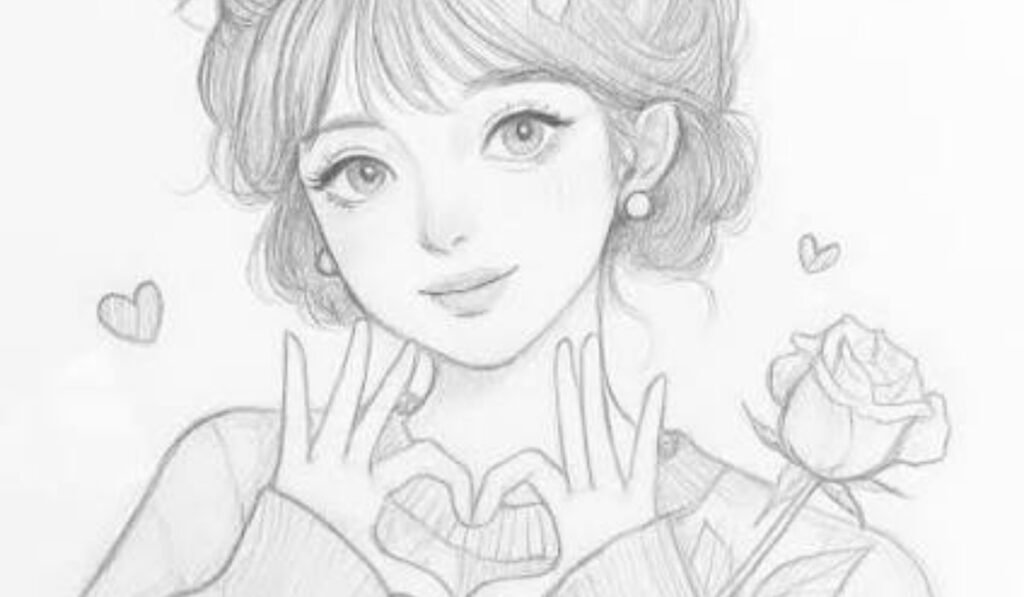
A common trap is over-complicating your character with too many accessories or intricate hair patterns. When you draw a cute girl, remember that simplicity is clarity. Too many details can distract from the main features, like the eyes and the sweet expression. Focus on the silhouette—if you filled the outline in with solid black, would the character still be recognizable? Minimalist designs are often the most effective because they allow the viewer to project their own warmth onto the character without being overwhelmed by visual clutter.
Using Pastel Color Palettes
Color psychology plays a massive role in character appeal. When you draw a cute girl, opt for pastel colors—think soft pinks, light blues, yellows, or creams—to emphasize a gentle, innocent personality. Avoid high-contrast or harsh, dark color combinations unless you want to intentionally signal a specific, non-cute trait. Warm tones generally make a character feel more inviting and sociable. By choosing colors that complement the soft, rounded shapes you have designed, you reinforce the overall theme of sweetness and warmth throughout your finished piece.
Crafting Dynamic and Playful Poses
A character’s pose tells a story about their personality. When you draw a cute girl, give her a pose that feels natural and full of life—perhaps a slight tilt of the head or a hand tucked behind the back. Avoid stiff, perfectly symmetrical poses, which can come across as boring or static. Instead, use the “line of action” to guide the flow of the body, following the curve of the spine to create a sense of energy. Exaggerated poses can make the character more relatable and fun to look at.
Applying Effective Shape Language
Shape language is a subconscious tool for character design. Characters built around circles are almost universally perceived as friendly, approachable, and innocent. When you draw a cute girl, ensure the head, body, and even accessories lean into circular or oval geometry. This does not mean everything must be a perfect sphere, but the underlying “language” of the design should feel soft and forgiving. Using these shapes effectively helps the audience understand that your character is a gentle, safe presence within their world.
Creating Relatable Facial Expressions
The expression on your character’s face is what truly makes them feel alive. When you draw a cute girl, experiment with small changes—a slight blush on the cheeks or a tiny, soft smile. Even the way you draw the eyebrows can drastically alter how the character is perceived; slightly tilted brows can suggest inquisitiveness or shyness. You do not need to draw a massive, wide-open mouth to show emotion; sometimes, a simple, delicate line for a mouth is enough to convey a sense of genuine joy and sweetness.
Avoiding Common Proportional Mistakes
One mistake artists often make is drawing limbs that are too long or thin, which can make the character look awkward rather than “cute”. As you draw a cute girl, try to keep the limbs short and plump. Also, be careful with the neck—it should be delicate and thin to support the larger head, maintaining that youthful proportion. If the character feels “off,” check your silhouette; if the legs or arms seem too rigid, simplify them into softer, more rounded triangles. Consistent proportions are the backbone of a successful character design.
Sketching with Reference Materials
Even the most experienced artists use references. When you draw a cute girl, look for photos of children, other cute characters, or even soft animals to see how they capture that “adorable” quality. Don’t just copy—analyze what makes them work. Is it the roundness of the cheeks? The way the hair frames the face? Using reference material helps ground your imagination in reality while still allowing you to exaggerate the features for a stylized look. It is the fastest way to bridge the gap between “concept” and “successful design”.
Building Confidence Through Repetition
Character design is a skill that improves with practice. If you want to draw a cute girl consistently, try drawing her in different poses, outfits, and emotional states. You might find that your “cute” style evolves as you get more comfortable with your proportions. Don’t aim for perfection on your first try; allow yourself to sketch loosely and make mistakes. Through repetition, you will develop a “shorthand” for your specific style, making it easier to recreate that adorable look every time you sit down to draw.
Defining the Character’s Personality
Before you finalize your lines, consider who the character is. A shy girl might be drawn with slightly tucked shoulders and hair covering part of her face, while an outgoing girl might have a wide, beaming smile and open, active limbs. When you draw a cute girl, let her personality dictate her posture and expressions. This makes the drawing feel more like a character with a story and less like a collection of shapes. Personality-driven design is what turns a simple drawing into a character that resonates with people.
Using Line Weight for Depth
Line weight refers to the thickness of your lines. When you draw a cute girl, you can use thicker lines for the outer silhouette and thinner, lighter lines for internal details like the nose, mouth, or hair textures. This technique helps the character “pop” off the page and adds a layer of professionalism to your artwork. It guides the viewer’s eye, showing them exactly where the most important parts of the design are while keeping the overall image clean and easy to read from a distance.
Focusing on Hair Styling
Hair is a huge part of a character’s “cute” factor. When you draw a cute girl, consider how the hair frames the round face shape. Soft, flowing locks or cute buns can enhance the rounded feel of the head. Avoid making the hair look too sharp or spiky; instead, group hair strands into larger, soft shapes. This keeps the design simple while allowing you to add some character and flair. Accessories like a small bow or a hair clip can also go a long way in making a character look sweet and approachable.
The Magic of Minimalism
Sometimes, the best designs are the ones that use the fewest lines. Think of emojis or simple cartoon characters—they are universally loved because they are easy to recognize and understand instantly. When you draw a cute girl, challenge yourself to see how much emotion you can convey with just a few strokes. By removing unnecessary details, you force yourself to focus on the essential aspects of the character’s design, leading to a much stronger and more impactful final drawing that truly hits the mark.
Creating a Unique Silhouette
The silhouette is the ultimate test of a good character design. If you were to look at your drawing as a solid shadow, would you still know who she is? To draw a cute girl with a memorable silhouette, ensure her limbs, hair, and accessories create a distinct, recognizable shape. Dynamic spacing—the empty space between limbs and the body—is also vital. By paying attention to the outline of your character, you ensure that she is visually distinct and stands out, regardless of how complex or simple your final style ends up being.
Refining Through Feedback
Sharing your work with others is a great way to grow as an artist. When you draw a cute girl, show your sketches to friends or fellow artists and ask: “Does this look cute?”. Sometimes, a fresh pair of eyes can spot a proportion issue or a way to simplify a design that you might have missed. Feedback isn’t about being perfect; it’s about seeing your own work from a new perspective and learning how others interpret the character you’ve created. Every bit of constructive feedback brings you closer to your own unique style.
Finalizing Your Artwork
Once you are happy with your construction lines, go over them with your final ink or clean pencil strokes. Keep the lines confident and smooth. Add your base colors and perhaps a light blush to the cheeks to finish off the design. Remember, the goal is not to produce a masterpiece every time, but to enjoy the process of bringing your character to life.
- What is the most important shape for drawing a cute girl?
- Circles and round shapes are the most important, as they represent softness and friendliness.
- How do I make the eyes look cute?
- Make them large, expressive, and place them lower on the face to mimic youthful proportions.
- Should I use sharp or soft lines?
- Always use soft, rounded lines to enhance the character’s lovable and approachable appearance.
- Why is simplicity important in cute character design?
- Simplicity makes the character more memorable and allows the audience to focus on their emotional expression.
- How do colors contribute to cuteness?
- Pastel and warm colors feel gentle and inviting, which supports the overall “sweet” personality of the character.